


The Asian Scientist 100
Lu Ke

Institution
Chinese Academy of Sciences
Country
China
Field
Materials Sciences
Lu is the winner of the 2020 Future Science Prize (Physical Science Prize) for discovering and synthesizing a superior nanotwinned structure and gradient nanostructure.
(Photo: Future Science Prize)
AWARDS
- Future Science Prize 2020
Related articles

Watching The Planets Collide, In Real Time
By monitoring the temperature changes in dust clouds over two years, astronomers have been able to track a recent planetary collision.
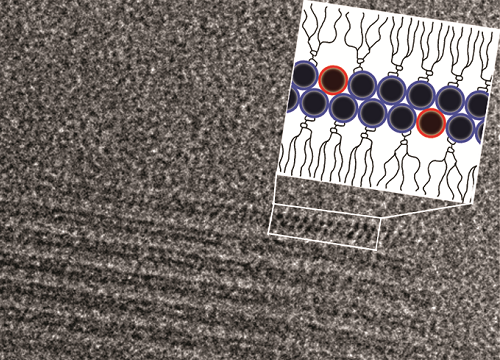
Achieving Nanoscale Control Of Self Assembly
Japanese scientists have successfully fine-tuned the self-organised assembly of organic electronic materials.
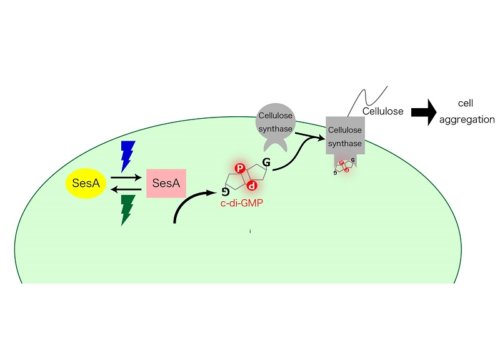
Blue Light Changes Bacterial Lifestyle
The photoreceptor SesA enables cyanobacteria sense blue light and produce cellulose to avoid light damage.

Estimating Risks and Resolving Paradoxes
SMU Professor Lim Kian Guan uses sophisticated mathematical tools to extract information out of options data and provide more accurate risk estimates.

How Junk Food Changes The Brain
A study in rats suggests that eating junk food weakens self control, leading to overeating and obesity.

Turning Bad Memories Into Good Ones, And Vice Versa?
Negative emotions linked to memories may not be as hard-wired as previously thought.

Protein Makes Malaria-Infected Red Blood Cells Rigid
When human red blood cells are infected with malaria, a protein called RESA stiffens the cell membranes, impairing the cells’ ability to travel through blood vessels.

Nanoparticles Give Color Without Pigments
Scientists have developed nanoparticle-based colors that could be used to make paint and electronic displays that never fade.
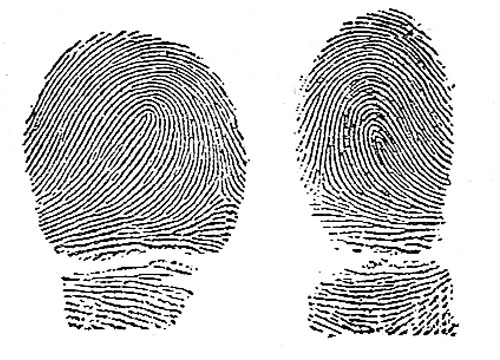
Nanowire ‘Fingerprints’ To Fight Counterfeiting
Nanowire fingerprints are cheap to produce and extremely difficult to replicate, making them useful in anti-counterfeiting measures, scientists say.