


The Asian Scientist 100
Lu Ke
Institution
Chinese Academy of Sciences
Country
China
Field
Materials Sciences
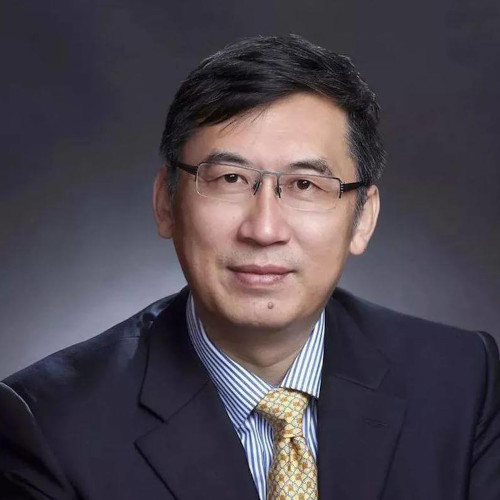
Lu is the winner of the 2020 Future Science Prize (Physical Science Prize) for discovering and synthesizing a superior nanotwinned structure and gradient nanostructure.
(Photo: Future Science Prize)
AWARDS
- Future Science Prize 2020
Related articles
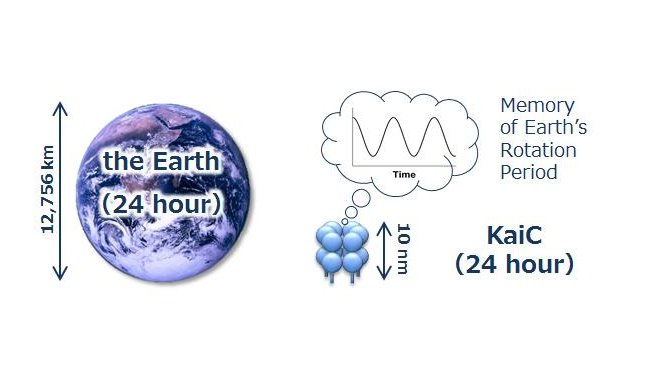
The Tiny Protein That Syncs With The Earth’s Rotation
Oscillations of a 10 nm protein help cells keep in tune with the 24 hour cycles of the Earth.

Tracking The Evolution Of The Next Potential Superbug
Scientists have mapped the genome of the highly diverse Klebsiella pneumoniae bacterium, a pathogen that could potentially be highly virulent and antibiotic-resistant.

India’s Abortion Cut-Off Limit Questioned
Preventing women from undergoing abortions past 20 weeks' gestation is arbitrary and compels them to make ill-informed decisions, doctor says.

The Blind Spot Can Sense Light After All
Although not involved in vision, light on the eye's blind spot can influence the pupillary light reflex.

Squeezing Light Into A Point-Like Space
By focusing light into a 3D area a few nanometers wide, scientists have increased light intensity 400,000 times.

Hypervirulent TB Strain Evolved in Northern China 2,000 Years Ago
The dominant TB strain circulating in East Asia has had a long history and is unlikely to have been caused by recent vaccination and treatment efforts.

Nepal To Get US$3 Billion For Quake Reconstruction
The funds pledged by international donors are less than half of the US$6.7 billion estimated to be required for reconstruction.

Taking Nano Big: A Conversation With Subbu Venkatraman
We speak to Professor Subbu Venkatraman, founding director of the NTU-Northwestern Nanomedicine Institute, on how he is leading an international effort to ramp up nanomedical research in Singapore.

A Charged Partnership: Unlikely Partners In The Antibiotics Arms Race
Antibiotic resistance is a growing threat to global health. By combining their expertise, a cancer drug delivery researcher and a technology giant might just have come up with a solution to prevent the slide into a post-antibiotic era.