


The Asian Scientist 100
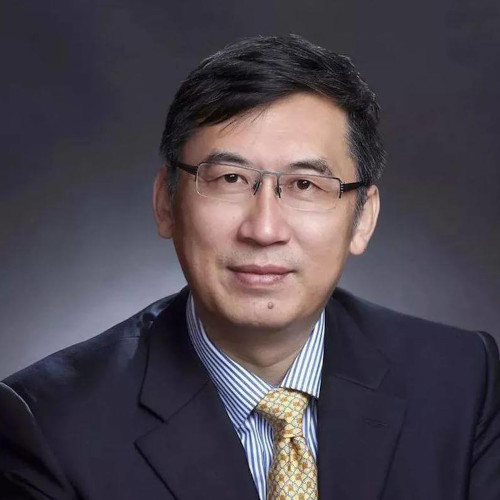
Lu Ke
Institution
Chinese Academy of Sciences
Country
China
Field
Materials Sciences
Lu is the winner of the 2020 Future Science Prize (Physical Science Prize) for discovering and synthesizing a superior nanotwinned structure and gradient nanostructure.
(Photo: Future Science Prize)
AWARDS
- Future Science Prize 2020
Related articles

Returning Power To Insecticides
By replacing insecticide-resistant genes in fruit flies with susceptible forms, an India-US research team is devising ways to lower insecticide use in farms.

Rethink Building Design To Reduce Virus Spread
By mapping air flow in dormitories, researchers from Singapore have pinpointed the building layouts that lead to stagnant air and raise the risk of viral transmission.

Asia’s Rising Scientists: Erika Legara
Committed to making a positive impact, Erika Legara works with decision makers, fellow researchers and students to uncover the value behind the wealth of data created every day.
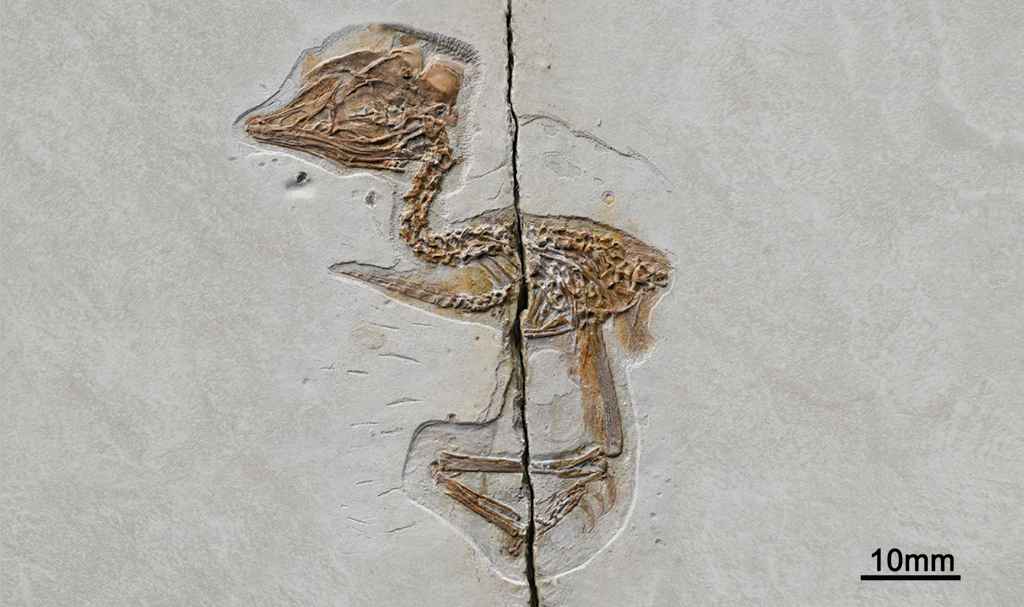
A Dino Locked Inside A Bird Skull
A tiny bird skull uncovered in China provides clues to early birds’ jaws sharing similar functions with their dinosaur ancestors than modern birds.

Customizing Vaccines For Fish Health (VIDEO)
A shot or two could help keep fish diseases at bay and open floodgates to a more sustainable aquaculture practices in Asia, highlighted Dr. Jeffrey Seng.
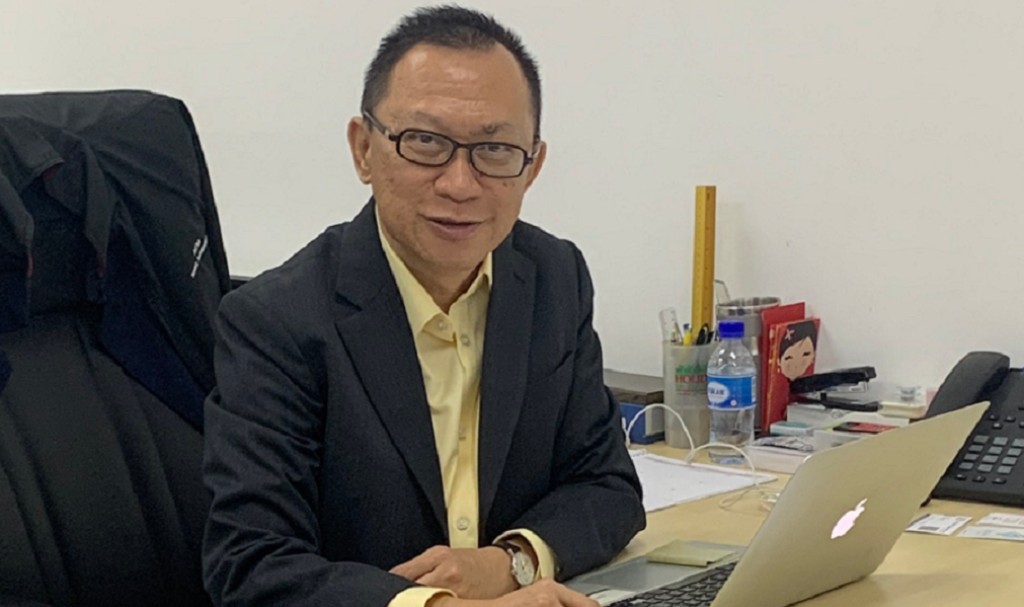
Turning Emerging Companies Into Big Successes
IPI Innovation Advisor Chok Yean Hung offers sound advice and an understanding of market trends to help semiconductor startups on journeys of growth and innovation.

Ice Or Not To Ice A Muscle Injury
Applying ice to a severe muscle injury may prolong the recovery process, researchers from Japan have found.

Asia’s Scientific Trailblazers: Gabriel Lau
For fifty years, Professor Gabriel Lau has dedicated himself to understanding the forces behind climate change—a field that grows more advanced and more urgent each day.
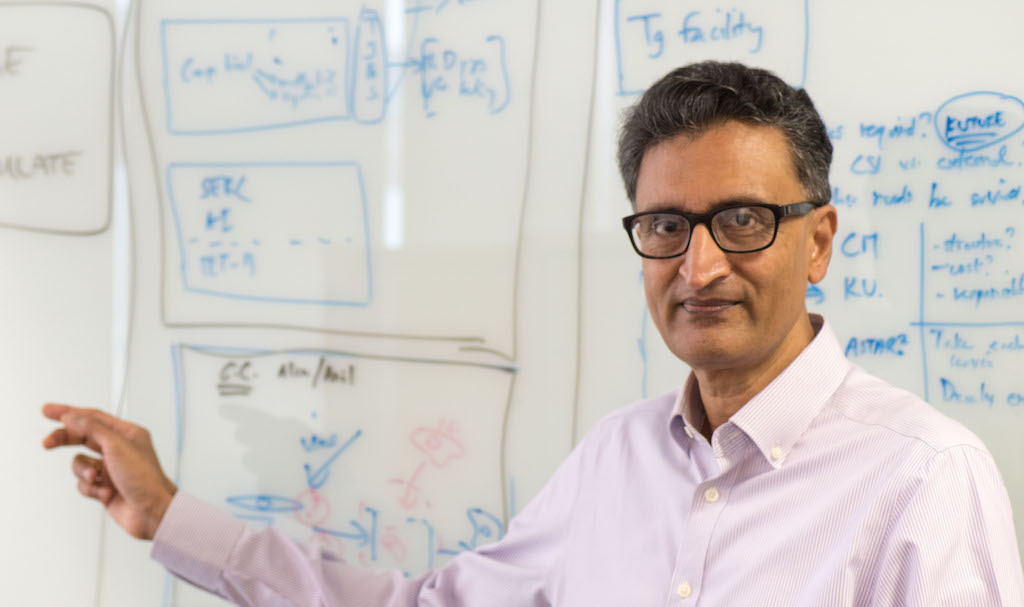
Asia’s Scientific Trailblazers: Ashok Venkitaraman
Having discovered BRCA2’s crucial role in genome stability, Professor Ashok Venkitaraman continues to drive research into cancer detection and treatment at the Cancer Science Institute of Singapore and A*STAR.