


The Asian Scientist 100
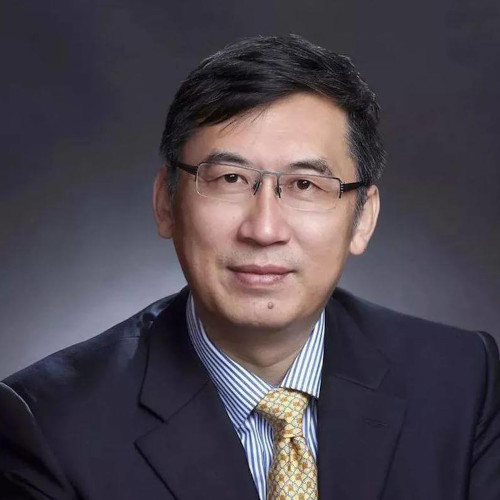
Lu Ke
Institution
Chinese Academy of Sciences
Country
China
Field
Materials Sciences
Lu is the winner of the 2020 Future Science Prize (Physical Science Prize) for discovering and synthesizing a superior nanotwinned structure and gradient nanostructure.
(Photo: Future Science Prize)
AWARDS
- Future Science Prize 2020
Related articles

Diagnosing & Staging Liver Cancer Non-Invasively
Capturing fragments of tumor DNA from the bloodstream allows scientists to diagnose liver cancer without the need for invasive biopsies.
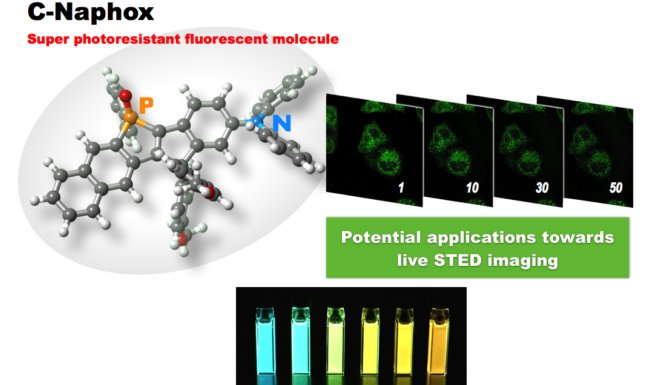
Enabling High Resolution Imaging Over Time
C-Naphox is a newly developed fluorescent dye that outlasts conventional fluorescent dyes in repeated live cell STED imaging.

A Moldy Trick For Pharmaceutical Manufacturing
Isolated from the common mold Aspergillus fumigatus, the enzyme FtmOx1 can add two oxygen atoms to molecules efficiently.

Two A*STAR Scientists Win The 2015 EMBO Young Investigator Award
Dr. Khor Chiea Chuen and Dr. Nicolas Plachta have been selected as this year's European Molecular Biology Organization Young Investigators.

Food Associated With Childhood Obesity Identified
Potato chips are the top obesity-causing food for children and adolescents to consume, say scientists.

Chameleon-Like Material Changes Color With Temperature
Doping hydrogels of silica with small amounts of black carbon gives them temperature-controllable structural colors.

Four Asian Teams Win 2016 Breakthrough Prize In Fundamental Physics
Established by key entrepreneurs in the Silicon Valley, the 2016 Breakthrough Prize in fundamental physics went to Japanese, Chinese and Canadian research teams working on neutrino oscillation.
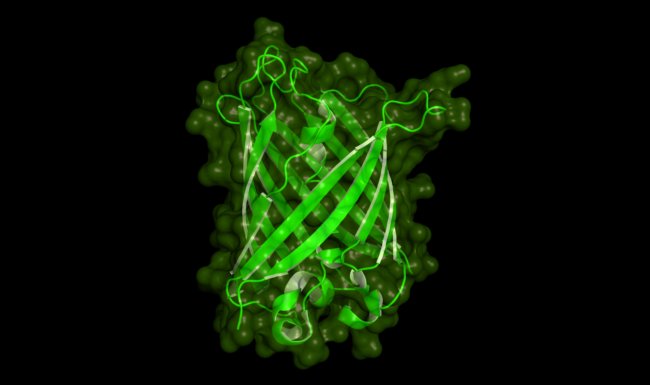
Osamu Shimomura Celebrated In Special Issue Of SPIE Journal
Professor Omura Shimomura isolated the green fluorescent protein from jellyfish, which revolutionized light microscopy and light-activated study.

Using NGS To Fish Out Asian Specific Cancer Mutations
Singapore General Hospital has entered a collaboration with Thermo Fisher Scientific to perform next-generation sequencing of retrospective samples from cancer patients of Asian ancestry.