


The Asian Scientist 100
Lu Ke

Institution
Chinese Academy of Sciences
Country
China
Field
Materials Sciences
Lu is the winner of the 2020 Future Science Prize (Physical Science Prize) for discovering and synthesizing a superior nanotwinned structure and gradient nanostructure.
(Photo: Future Science Prize)
AWARDS
- Future Science Prize 2020
Related articles
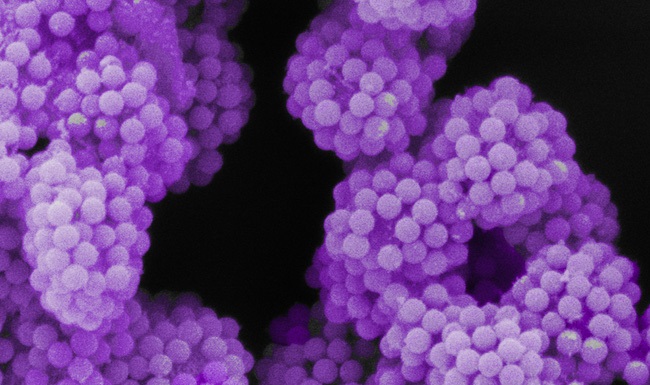
LEGO-Inspired Nanoparticles Make Manipulation Easy
The nanoscale LEGO-like building blocks have potential applications in drug delivery, chemical sensing and energy storage.

Natural Science Professors Awarded TJ Park Science Fellowship
Professors Kim Kwanpyo, Kee Jung-Min, and Choi Kyudong were recognized for their work in nanomaterials, synthetic chemistry and fluid dynamics respectively.
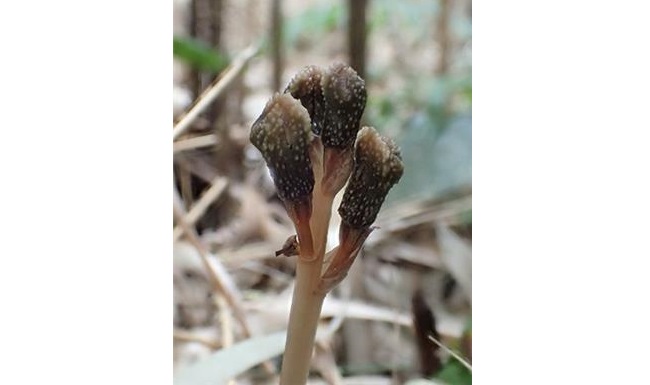
Researchers Discover Fungal-Plant Hybrid That Practices ‘Closed Marriage’
The plant species, discovered on the subtropical Japanese island of Kuroshima, derives its nutrition from host fungi.

Jackson Laboratory, Wenzhou Medical University Sign Research Agreement
The organizations will seek to better understand genomic propensities to disease and focus on individualized therapies for cancer, heart disease, and other afflictions.

Singaporean Students Win Gold At International Natural Science Tournament In Russia
The team’s comprehensive and diversified solutions for complicated problems helped them clinch the top spot.

Predicting Human Behavior: As Easy As Fractional Order Calculus
Can you really predict human behavior in certain situations? Researchers are attempting just that with a model based on fractional order calculus.
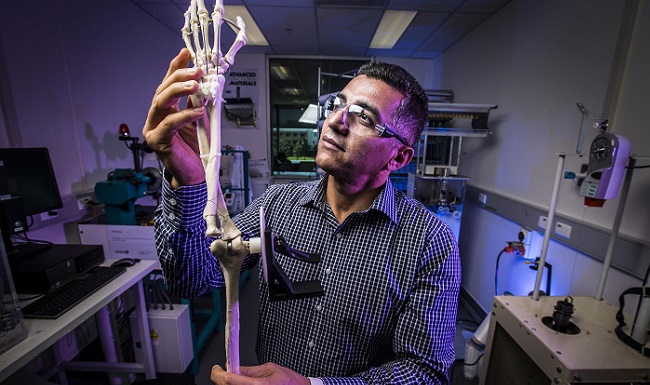
A Smart Textile That Moves Like Muscle
This new smart textile can both sense and move in response to a stimulus, just like a human muscle or joint.

How Would You Solve A Knapsack Problem? Computers Want To Know
Learning how people solve problems over a range of difficulties may be crucial to making computers think more like humans.
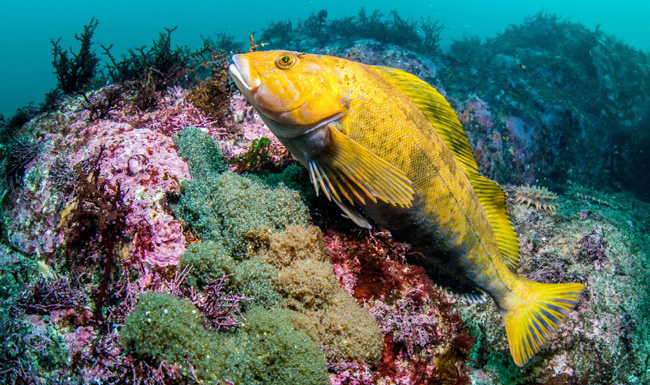
All-Female Hybrid Fish Switch Male Partners For Variety
By switching mating species, an all-female hybrid fish species has sustained its survival through thousands of years.