


The Asian Scientist 100
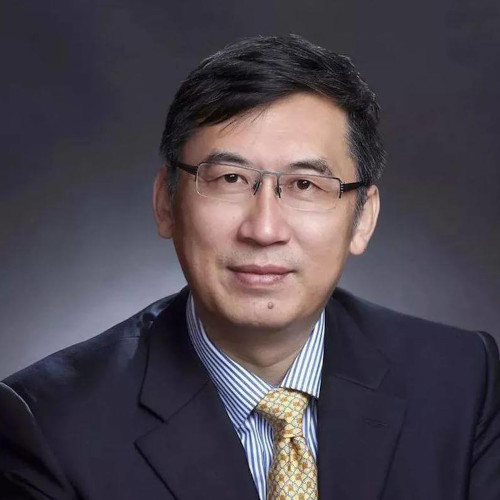
Lu Ke
Institution
Chinese Academy of Sciences
Country
China
Field
Materials Sciences
Lu is the winner of the 2020 Future Science Prize (Physical Science Prize) for discovering and synthesizing a superior nanotwinned structure and gradient nanostructure.
(Photo: Future Science Prize)
AWARDS
- Future Science Prize 2020
Related articles

Electricity Generation With A Twist
By twisting carbon nanotubes into highly elastic supercoiled structures, scientists have created yarns that generate electricity when stretched or twisted.

Artificial Catalysts For Epigenetics Without Enzymes
Scientists in Japan have performed DNA acetylation in living cells using chemical catalysts instead of biological enzymes.

China’s Top Climate Negotiator Wins 2017 LUI Che Woo Prize
Mr Xie Zhenhua received the 2017 LUI Che Woo Sustainability Prize for his critical role during negotiations of the Paris Agreement on climate change.

Tracing The Apple’s Journey Along The Silk Road
By analyzing the genomes of 117 apple varieties, scientists have traced the origin of the domesticated apple and identified key genetic markers for improving apple quality.
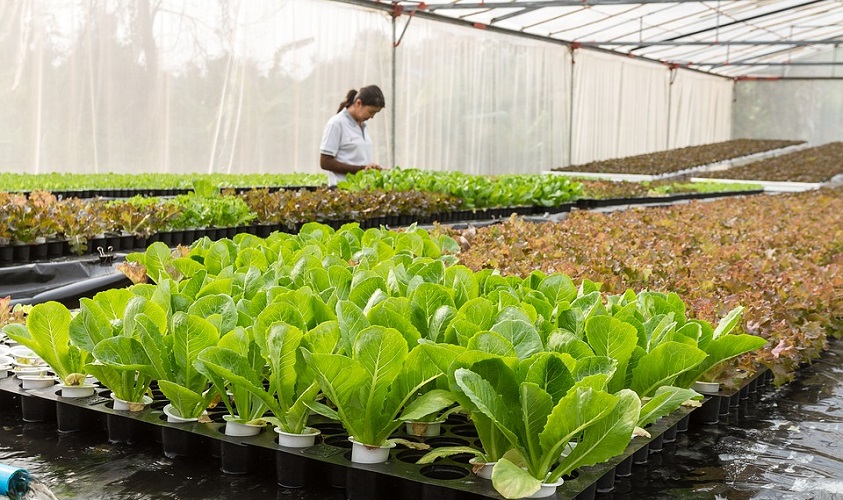
Carbon Dots Make Good Fertilizers
Scientists in China have created nanoparticles from rapeseed pollen that increase the yield of lettuce by almost 50 percent.

Visualizing How T-Cells Ready Their Arsenal
Using single-molecule tracking and quantitative analysis, scientists have discovered how T-cells rearrange their surface molecules to mount an immune response.

Perovskite LEDs For A Brighter Future
Using a method known as chemical vapor deposition, scientists in Japan have created perovskite-based LEDs that may one day replace conventional LED lights.
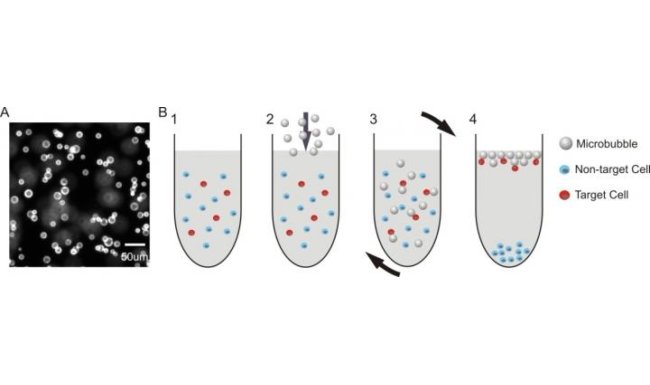
Sorting Cells With Glass Microbubbles
Glass microbeads can be used to count CD4+ T-cells in areas without access to magnetic separators or centrifuges.

Green Cross To Build New Cell Therapy Manufacturing Facility In China
The new Green Cross cell therapy manufacturing facility will be located at the Guian New Area in the Guizhou province.