


The Asian Scientist 100
Lu Ke
Institution
Chinese Academy of Sciences
Country
China
Field
Materials Sciences
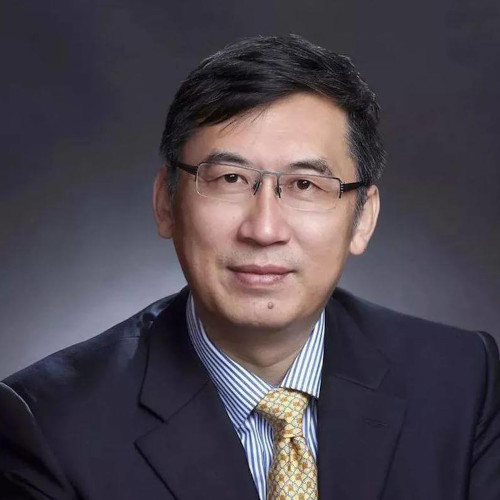
Lu is the winner of the 2020 Future Science Prize (Physical Science Prize) for discovering and synthesizing a superior nanotwinned structure and gradient nanostructure.
(Photo: Future Science Prize)
AWARDS
- Future Science Prize 2020
Related articles

Security Made Simple
Internet of Things devices only have so much bandwidth and power. MicroSec is developing security solutions small enough to fit these constraints but strong enough to withstand attacks.
A Digital Shot In The Arm For Healthcare
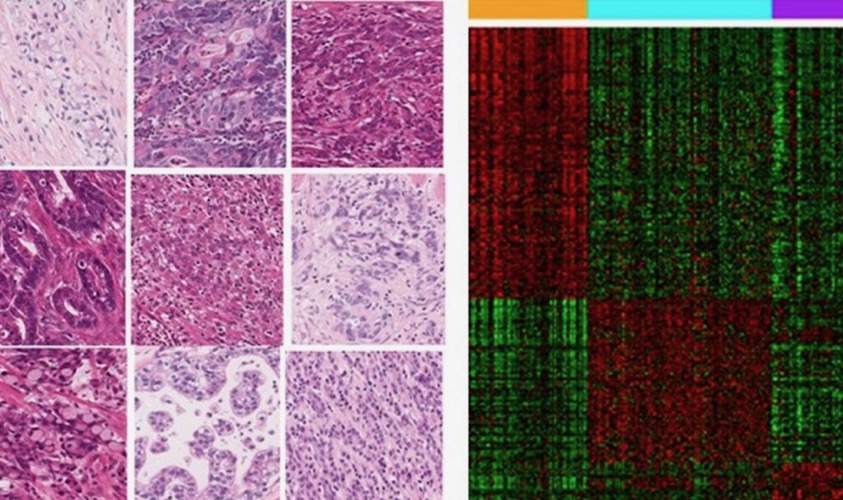
Artificial intelligence-enabled technologies are on the cusp of changing the practice of medicine for both doctors and patients.

AI: A Digital Swiss Army Knife
Like the multi-purpose pocket tool, artificial intelligence is adding value across diverse industries from healthcare to financial services.

On The Prowl For Smarter AI
PROWLER.io is developing next-generation machine learning algorithms for more powerful AI.

Keeping A Finger On The Pulse Of Healthcare
Low-cost hardware, combined with wireless technology and state-of-the-art cloud apps, will transform the business of healthcare, says Renew Group CEO Ravinder Sajwan.

SGInnovate To Launch Singapore Into AI & Robotics Space
SGInnovate will focus on areas such as artificial intelligence, robotics, digital health, financial services, smart energy, digital manufacturing and transportation.

Is This Town Big Enough?
What does Singapore’s recent push towards deep technology mean for the country’s more mature life sciences sector?
Building Deep Tech Companies At SGInnovate
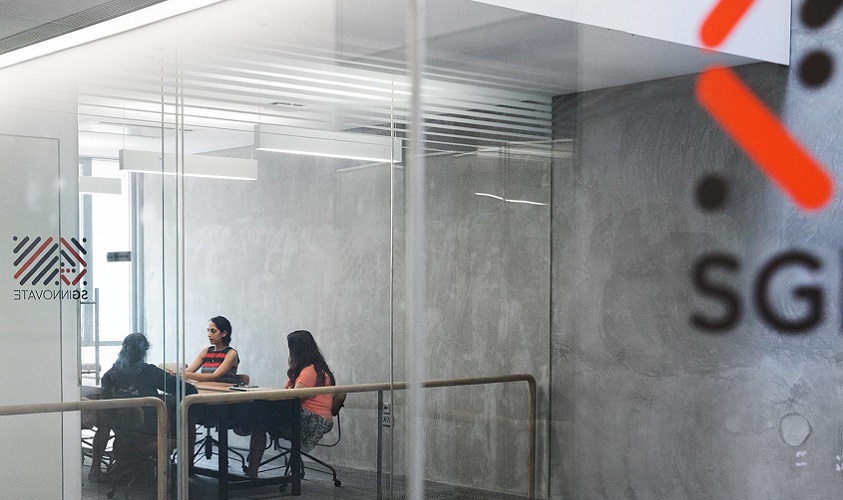
SGInnovate, Entrepreneur First and the Singapore-MIT Alliance for Research and Technology Innovation Centre are working together to find and nurture Singapore’s next generation of entrepreneurs.

A Deep Dive Into Water Management Reform
Cooperation between governments and farmers is essential for irrigation policy and water management in Southeast Asia, says SMU Assistant Professor Jacob Ricks.