


The Asian Scientist 100
Lu Ke

Institution
Chinese Academy of Sciences
Country
China
Field
Materials Sciences
Lu is the winner of the 2020 Future Science Prize (Physical Science Prize) for discovering and synthesizing a superior nanotwinned structure and gradient nanostructure.
(Photo: Future Science Prize)
AWARDS
- Future Science Prize 2020
Related articles

Singapore’s EURAXESS Science Slam Finalist Selected
Singapore's representative will face other finalists from Indonesia, Malaysia, Thailand and Vietnam for the honor of being the 2015 ASEAN EURAXESS Science Slam winner.
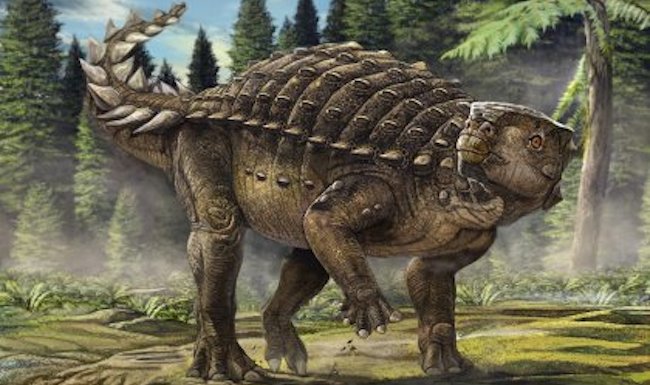
Kunbarrasaurus, The Dinosaur Formerly Known As Minmi
The newly identified Kunbarrasaurus is more primitive than other closely related ankylosaurs, scientists say.

Durians Depend On Endangered Fruit Bats
An international team of scientists has discovered that the endangered fruit bats of Southeast Asia serve as pollinators of the durian tree.

Agricultural Use Of Antibiotics Could Create Health Crisis, Experts Warn
China's use of thousands of tons of antibiotics in agriculture is a major cause for concern.

Tarantula Venom Provides Clue To Irritable Bowel Syndrome Pain
Spider venom can help researchers identify new pain pathways and develop treatments for irritable bowel syndrome.

Caffeine Linked To Improved Blood Flow
The caffeine in a cup of coffee might help your small blood vessels work better, according to a study presented at the American Heart Association's Scientific Sessions 2013.
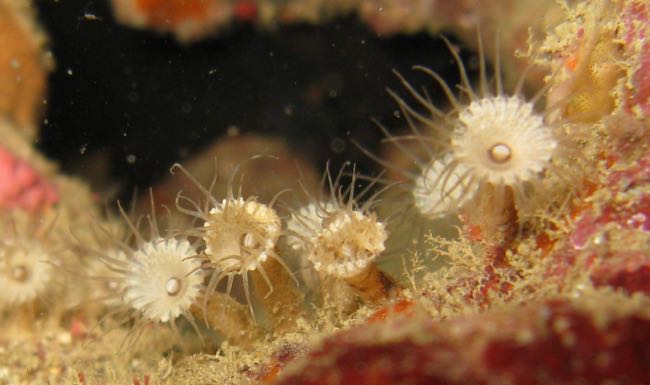
Two Unusual Anemones Found In Japan
Unlike other members of the same species, the newly discovered anemone do not have symbiotic, photosynthetic algae.

Redefining The Genetic Landscape Of Pancreatic Cancer
Classifying pancreatic cancer into four subtypes based on whole genome sequencing could help improve the specificity of existing treatments.

Potential Target For TGF-β-Driven Cancers Found
The finding that USP15 enhances the stability of TGF-β signaling suggests that targeting USP15 could help treat cancers with TGF-β hyperactivation.