


The Asian Scientist 100
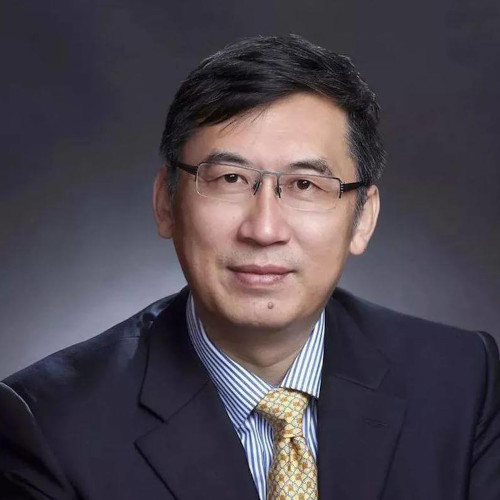
Lu Ke
Institution
Chinese Academy of Sciences
Country
China
Field
Materials Sciences
Lu is the winner of the 2020 Future Science Prize (Physical Science Prize) for discovering and synthesizing a superior nanotwinned structure and gradient nanostructure.
(Photo: Future Science Prize)
AWARDS
- Future Science Prize 2020
Related articles

Turning Puffs Into Pesos
The Philippine’s Secretary of Health, Dr. Paulyn Rossell-Ubial, shares with Asian Scientist Magazine how her country has turned a tax on smoking into a health intervention.

Blood Test Predicts Premature Birth Risk From As Early As 18 Weeks
The blood test can identify women who are at risk of having a premature birth but are not displaying symptoms—as early as 18 weeks as into their pregnancy.

Premature Birth When Mom Lives Near A Busy Road Junction
Babies are born earlier when their mothers live near a concentration of freeways and main roads, a study of 970 mothers and their newborn babies in Brisbane has found.

Premature Babies Are Just Not That Into You
Preterm infants are less interested in people than full-term infants, suggesting atypical social development and a possible link to autism.

Baby Boys More Likely To Be Born Prematurely: Study
A new study has found that boys are much more likely to be born pre-term between 20-24 weeks, with their mothers at greater risk of pregnancy complications.

Probiotics Prevents Liver Cirrhosis Complications
A clinical trial in Indian cirrhosis patients show that probiotics could help prevent the deterioration of brain function, a serious complication of late stage liver disease.

A New Spin On Quantum Measurements
Researchers have developed a method for quantifying the collective spin motions in a magnet using an elementary quantum-computing device.
Probing The Sound Of A Quantum Dot
Scientists have found out how to manipulate sound waves in quantum dots, paving the way for quantum computers in the future.

China Launches Its Own Million Dollar ‘Nobel’ Prize
From 2017, the privately funded Future Science Awards will recognize the achievements of Chinese scientists in the life sciences and materials science.