


The Asian Scientist 100
Long Ran

Institution
University of Science and Technology of China
Country
China
Field
Chemistry
Long won the 2017 L’Oréal UNESCO For Women in Science International Rising Talent award for her research on photocatalysts for carbon dioxide reduction.
(Photo: L’oréal Foundation)
AWARDS
- 2017 LOréal-UNESCO For Women in Science International Rising Talent Award
Related articles
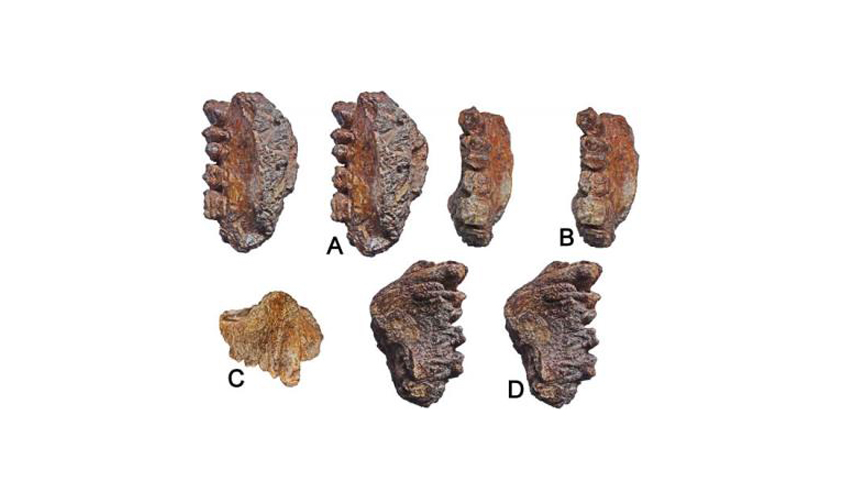
Ancient Ape Fossil Uncovered In Western India
Scientists have unearthed the upper jaw of an ancient ape in western India, revealing details of its tooth enamel and root structure.

Hideo Hosono Receives 2018 Von Hippel Award
Tokyo Tech’s Professor Hideo Hosono received the Von Hippel Award from the Materials Research Society for his research on superconductors.

HKU Professor Elected To US National Academy Of Medicine
HKU professor Gabriel Leung was recognized for his contributions to infectious disease epidemiology and control.

How Cancer-Causing Viruses Evolved Alongside Humans
Genomic analyses reveal how cancer-causing human papillomaviruses evolved alongside our archaic ancestors.
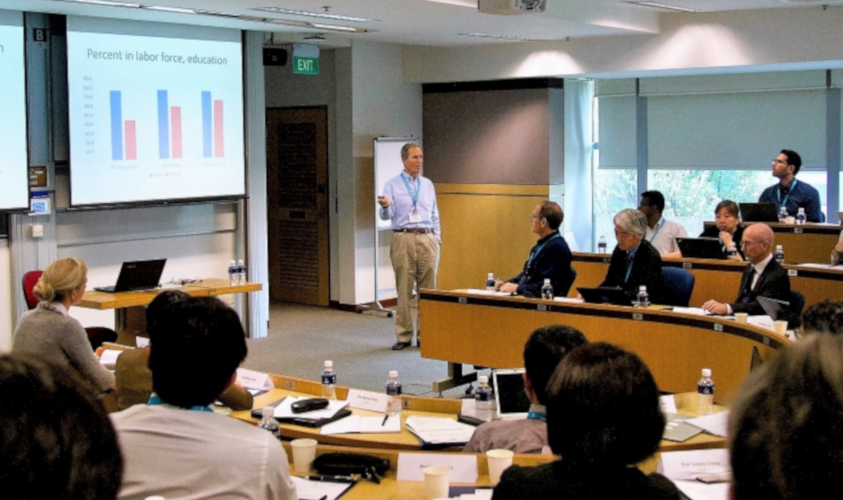
Strengthening Life’s Shock Absorbers
What factors can help the elderly bounce back from life ‘shocks’ like unemployment and the diagnosis of a major illness?

The Long Tail Of History
Political decisions made hundreds of years ago can have path-dependent, far-reaching consequences for the present, says SMU Professor Elvin Lim.

Blockchain And Energy—Power, Not Magic
Blockchain-based platforms could slash energy costs and accelerate the adoption of renewable energy; yet the nascent technology isn’t an instant formula for success.
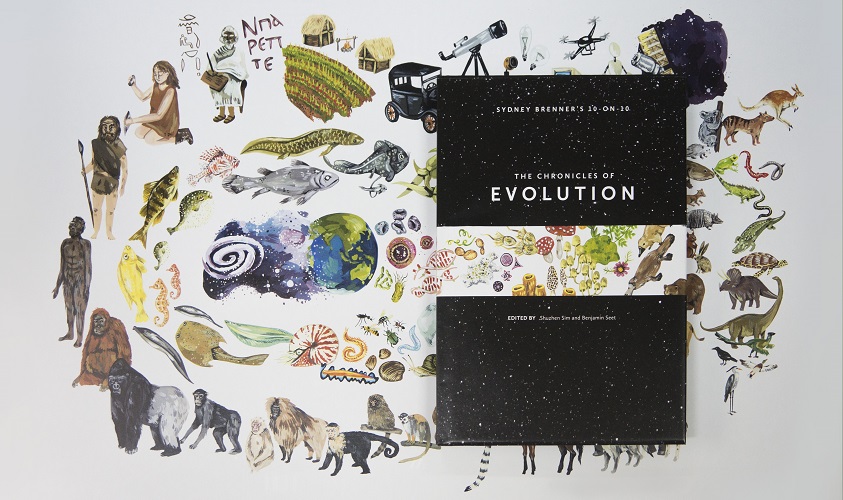
New Book Traces Humankind’s 14-Billion-Year Journey
Sydney Brenner’s 10-on-10: The Chronicles of Evolution adopts a unique perspective, tracing the evolution of life through ten logarithmic scales of time.

World’s First Mice Born To Same-Sex Parents
Chinese scientists have created mouse pups with same-sex parents using haploid embryonic stem cells and gene editing.