


The Asian Scientist 100
Long Ran

Institution
University of Science and Technology of China
Country
China
Field
Chemistry
Long won the 2017 L’Oréal UNESCO For Women in Science International Rising Talent award for her research on photocatalysts for carbon dioxide reduction.
(Photo: L’oréal Foundation)
AWARDS
- 2017 LOréal-UNESCO For Women in Science International Rising Talent Award
Related articles
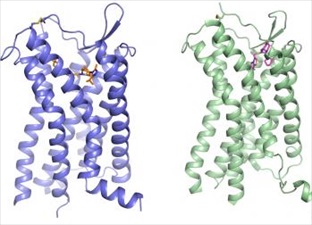
Molecular Structure Reveals How HIV Infects Cells
Scientists have determined the high-resolution atomic structure of a receptor that most strains of HIV use to get into human immune cells.

ANALYSIS: Reproductive Healthcare Lags In Laos
More needs to be done to reduce preventable deaths among mothers and newborns in Laos, say experts.

Orangutans Broadcast Their Travel Plans One Day In Advance
Wild male orangutans plan their travel direction one day in advance and communicate these plans to other orangutans, according to a study.

Study Dispels Belief That Alcohol Causes Depression
There is no truth to the long-held belief that alcohol causes depression, according to a study by researchers in Australia.
Premier Li: Education, Science & Technology Can Boost China’s Economy
China will continue to invest in long-term education, science and technology to stabilize and transform the slowing economy, said Chinese Premier Li Keqiang.
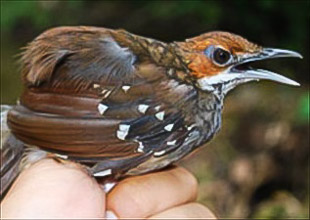
New ‘Ventriloquist’ Bird Species Discovered In Philippines
Researchers have discovered a new ground-dwelling forest bird species that lives on Luzon Island of the Philippine archipelago.

Drowning In University Degrees
A decision to allow Indian students to pursue dual degrees has drawn flak by critics, writes Prof. Pushkar.

Who Is To Blame For The Worst Graduate Job Market In China’s History?
2013 will be the most difficult job-hunting year in history for university graduates in China. Shuang Ren explores who is to blame for this.

Pacific Flights Create Most Amount Of Ozone
The amount of ozone created from aircraft pollution is highest from flights leaving and entering Australia and New Zealand.