


The Asian Scientist 100
Long Ran

Institution
University of Science and Technology of China
Country
China
Field
Chemistry
Long won the 2017 L’Oréal UNESCO For Women in Science International Rising Talent award for her research on photocatalysts for carbon dioxide reduction.
(Photo: L’oréal Foundation)
AWARDS
- 2017 LOréal-UNESCO For Women in Science International Rising Talent Award
Related articles

Nanopatterned Black Silicon Shows Antibacterial Power
Researchers have revealed the bacterial killing potential of black silicon, leading the way for the development of a new generation of nanostructured antibacterial materials.

Global Study Shows Cancer Patients Lack Access To Pain Medicines
A global study reveals a pandemic of intolerable pain affecting billions, caused by over-regulation of pain medicines.

Study Investigates Cause Of High Traffic Fatalities In Malaysia
A study of drivers in Malaysia and the UK showed that Malaysian drivers have much slower reaction times and required a higher threshold of danger before taking action.

How Does Low Birth Weight Affect You Later In Life?
People born weighing less than 1,500 grams tend to be shorter, have fewer friends and achieve fewer educational qualifications by the time they reach their 20s, finds a new study..

Study: Bangladesh Makes Strides In Healthcare Despite Poverty
Despite its high poverty level, Bangladesh has achieved lower infant mortality rates compared to India, Pakistan and Nepal.

Finding One’s Identity In A Globalised World
SMU Assistant Professor Hoon Chang Yau argues for the need to move away from an essentialist view of identity to one that is aligned with the complexities of the 21st century.
Going Against The Grain: China’s Two-Tier Land Tenure System
Assoc Profs John Donaldson and Forrest Zhang concur with the Chinese government’s decision to retain its two-tier land tenure system, a key factor behind China’s rise as an Asian powerhouse.
Tiny Lasers Lead To Faster, Lighter Electronics
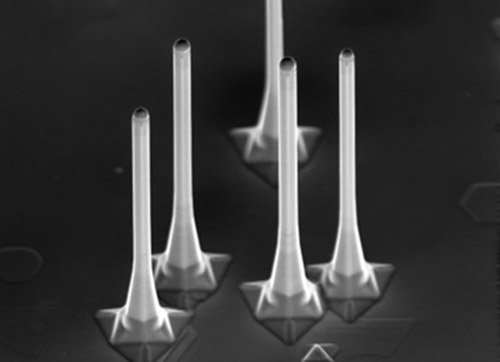
Researchers have successfully made the first room temperature lasers from gallium arsenide nanowires.

Long-Term Oral Contraceptive Use Increases Glaucoma Risk Two-Fold
A research study has found that women who have taken oral contraceptives for three or more years are twice as likely to suffer from glaucoma.