


The Asian Scientist 100
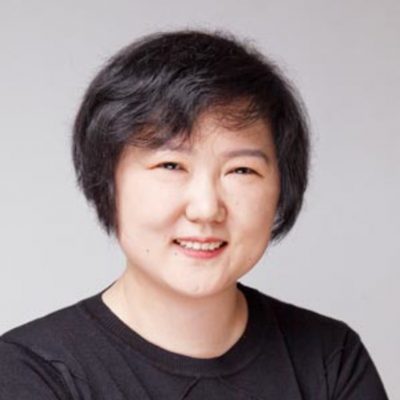
Long Ran
Institution
University of Science and Technology of China
Country
China
Field
Chemistry
Long won the 2017 L’Oréal UNESCO For Women in Science International Rising Talent award for her research on photocatalysts for carbon dioxide reduction.
(Photo: L’oréal Foundation)
AWARDS
- 2017 LOréal-UNESCO For Women in Science International Rising Talent Award
Related articles
How To Work With Other Scientists
What’s the best and worst thing about working with a biologist, chemist, physicist, mathematician and an engineer?
Asian Dust Exposure May Trigger Heart Attacks
Breathing in particles from Asian dust storms can trigger heart attacks, particularly in patients with chronic kidney disease.

The Dust That Discolors The Taj Mahal
Scientists have identified the particles responsible for discoloring the Taj Mahal, some of which are also harmful to human health.

Hepatitis B Treatment Prevents Liver Cancer
Scientists in Hong Kong have confirmed that hepatitis B treatment can reduce the rates of liver cancer and urge infected individuals to seek continued treatment.

Reducing The Environmental Impact Of Leather Production
Researchers in India have used molten salt to treat leather and reduce its pollution profile.
A Non-Antibiotic Drug To Fight MRSA
By screening 50,000 compounds, scientists have discovered a non-antibiotic drug that makes multidrug-resistant bacteria more vulnerable to immune clearance.

Prenatal Dietary Deficiencies Linked To Schizophrenia Risk
Scientists in Japan have discovered that the lack of omega-3 and omega-6 fatty acids in the prenatal diet is linked to schizophrenic symptoms in offspring.

Helping Microgrids Meet The Demand
Scientists have developed a computer algorithm that improves microgrid stability and reliability by making it mimic the inertia of a large power grid.

Tan Chorh Chuan To Lead Singapore’s Healthcare Transformation
Professor Tan Chorh Chuan will take up position as the founding Executive Director of the Office of Health Transformation on 1 January 2018.