


The Asian Scientist 100
Lan Wang
Institution
Hong Kong University of Science and Technology
Country
Hong Kong
Field
Biomedical Sciences
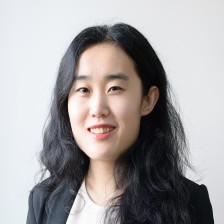
Wang is a recipient of the 2023 Croucher Tak Wah Mak Innovation Award for her research investigating mechanisms in the mitochondria that regulate protein translation.
AWARDS
- 2023 Croucher Tak Wah Mak Innovation Award
Related articles

Hanhai & SFU Launch China-Canada Commercialization Network
The China-Canada Commercialization & Acceleration Network (C2-CAN) aims to promote venture growth in both countries.
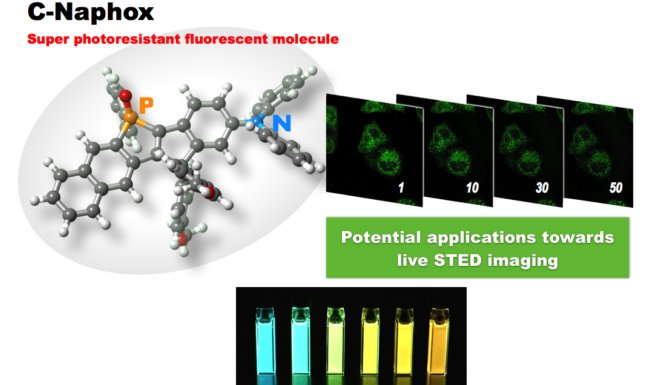
Enabling High Resolution Imaging Over Time
C-Naphox is a newly developed fluorescent dye that outlasts conventional fluorescent dyes in repeated live cell STED imaging.

Four Asian Teams Win 2016 Breakthrough Prize In Fundamental Physics
Established by key entrepreneurs in the Silicon Valley, the 2016 Breakthrough Prize in fundamental physics went to Japanese, Chinese and Canadian research teams working on neutrino oscillation.

China & Singapore Strengthen Ties With Joint Research Institute
The four-party agreement will look into sustainable urban development, next-generation electric vehicles and intelligent urban transportation systems, among other research areas.

Three New Chigger Mites Discovered In Taiwan
The discovery of three new species in the Yilan County have led scientists believe that more species are waiting to be described, particularly in the mountainous regions.
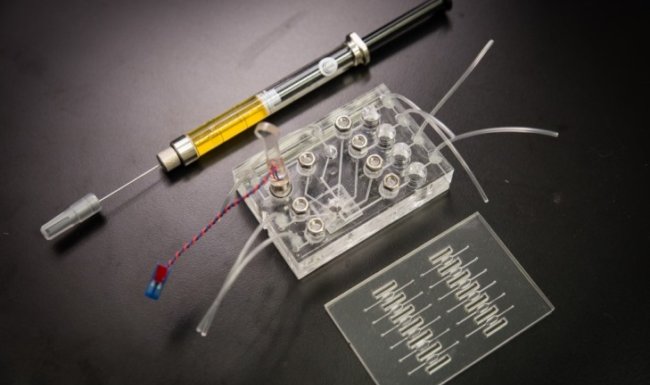
“Lab-In-A-Needle” Detects Liver Toxicity In 30 Minutes
Scientists have developed a microfluidics device that can quickly detect liver toxicity, a common side effect during chemotherapy.
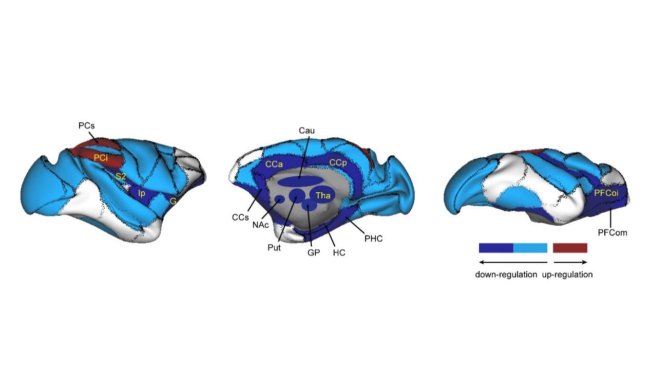
How Ketamine Re-Programs Monkey Brains
Ketamine re-wires the brains of monkeys in a way that could counteract structural changes associated with depression, study says.

Transgenic Pig Created For ALS Research
Unlike existing mouse models, this pig model of amyotrophic lateral sclerosis replicates the cytoplasmic accumulation of mutant proteins seen in human patients.

Prof. Dim-Lee Kwong Of A*STAR Wins Singapore’s Top Research Honors
Professor Dim-Lee Kwong of A*STAR's Institute of Microelectronics has received Singapore's highest science honors for his contributions to the country's R&D landscape.