


The Asian Scientist 100
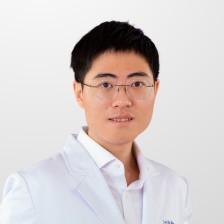
Hei Ming Lai
Institution
The Chinese University of Hong Kong
Country
Hong Kong
Field
Biomedical Sciences
Lai won the 2024 Croucher Tak Wah Mak Innovation Award for leading research in creating a 3D spatial multi-omics platform for clinical diagnostics and spatial biology research.
(Photo: The Chinese University of Hong Kong)
AWARDS
- 2024 Croucher Tak Wah Mak Innovation Award
Related articles

Clinical Trial Uses South Pacific Plant Kava To Treat Anxiety
An Australian clinical study has shown that Kava, a medicinal South Pacific plant, significantly reduced the symptoms of people suffering from anxiety.

Science’s Lone Voice In The Philippine Congress
In the upcoming elections, a political party representing science aims to retain its seat and continue to influence policy, reports Crispin Maslog.

The Nonsense Of Biofuels: Thoughts From A Nobel Prize Winner
Prof. Hartmut Michel calls for resources used in biofuel production to be used instead to harvest solar energy with photovoltaic cells.
Turtle Shells Evolved By Recruiting Genes Involved In Limb Development
An international team of scientists has analyzed the genomes of two turtle species, shedding light on how the turtle’s shell may have evolved.

Microfluidic Device Separates And Detects Non-Spherical Particles
Researchers have developed a novel microfluidic device that can be used to efficiently and rapidly separate and detect non-spherical bioparticles.
Scientists Study Global Warming’s Impact On Tropical Rainfall
Two competing views of the impact of global warming on tropical rainfall in fact complement each other, report scientists from China and Hawaii.

Asia’s Consuming Classes & The Environment
How Asia's growing class of consumers decides to spend their money will have major consequences for the environment, writes Adrian Hayes.

BGI & Partners Receive UK Funding For Metabolomics Software
BGI and its partners have received funding from the UK to develop a software platform for the analysis of metabolomics data.

Australia Needs To Out-‘Smart’ Competition, Says CSIRO Chief
According to CSIRO chief executive Dr. Megan Clark, Australia's scientists need to work smarter to stay competitive in the Asian century.