


The Asian Scientist 100
Hei Ming Lai
Institution
The Chinese University of Hong Kong
Country
Hong Kong
Field
Biomedical Sciences
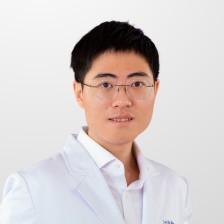
Lai won the 2024 Croucher Tak Wah Mak Innovation Award for leading research in creating a 3D spatial multi-omics platform for clinical diagnostics and spatial biology research.
(Photo: The Chinese University of Hong Kong)
AWARDS
- 2024 Croucher Tak Wah Mak Innovation Award
Related articles

Artificial Empathy: The Next Frontier
Artificial Intelligence is getting pretty smart—but could it ever truly understand how we really feel?

OCD: The Killing Joke
The media may portray obsessive compulsive disorder as cute and quirky, but in truth it can be a debilitating condition.

Illuminating The Deep, Dark World Of Subterranean Ants
Hidden in plain sight just beneath our feet is the fascinating world of subterranean ants.

Blue Noise
The effects of noise pollution in the ocean may not be immediately obvious but they could nonetheless be profound.

The Red Tides Of Death: A Deadly Tale Of Harmful Algal Blooms
As beautiful as they may be, dinoflagellates and diatoms can sometimes wreak havoc.

How Piles Of Pebbles Grow On An Asteroid
A new study shows how small pebbles hitting the surface of the asteroid Itokawa rebound from boulders but sink into pebble-rich regions.

Forget Cats, AI Now Spots Lame Cows
Too busy to watch your cows? Let artificial intelligence do it for you.
Bacteria In Your Beer For A Happy Belly
Researchers in Singapore have patented a recipe for probiotic beer that not only tastes good but is also is good for gut health.

Amino Acid Boosts The Effectiveness Of Brain Cancer Therapy
By adding the highly abundant amino acid taurine to a photosensitizer, researchers have boosted its cancer-killing capabilities.