


The Asian Scientist 100
Emi Ito

Institution
Osaka University
Country
Japan
Field
Life Sciences
Ito was awarded the 2023 JSPS Ikushi Prize by the Japan Society for the Promotion of Science for her research on unraveling the role of host-derived metabolites in the development of innate-type T cells.
(Photo: Osaka University)
AWARDS
- 2023 JSPS Ikushi Prize
Related articles
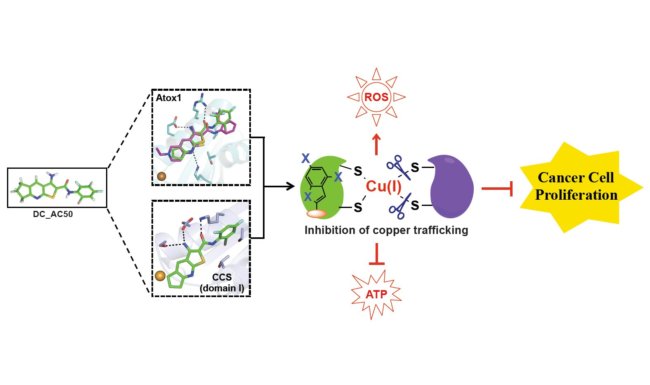
Stop Copper Trafficking, Stop Cancer
Instead of reducing blood copper levels, drugs that target copper transporters could be a safer way to treat cancer.

Crystal Structure Of Blood Clotting Factor Uncovered
The crystal structure of tissue-type plasminogen activator could lead to the development of new thrombolytic drugs with higher efficacy and lower side effects.

Phthalate Exposure Linked To Miscarriage
An epidemiological study has found an association between phthalate levels in the urine and an increased risk for early miscarriage.

Taiwan Faces Worst Dengue Outbreak In A Decade
India, China and Taiwan are all currently battling an ongoing dengue outbreak, with tens of thousands of cases.

NTU Singapore Launches Region’s First Maritime Energy Test Bed
The Maritime Energy Test Bed will help develop green solutions for the shipping industry and serve as an educational platform for students.

Four Asian Teams Win 2016 Breakthrough Prize In Fundamental Physics
Established by key entrepreneurs in the Silicon Valley, the 2016 Breakthrough Prize in fundamental physics went to Japanese, Chinese and Canadian research teams working on neutrino oscillation.
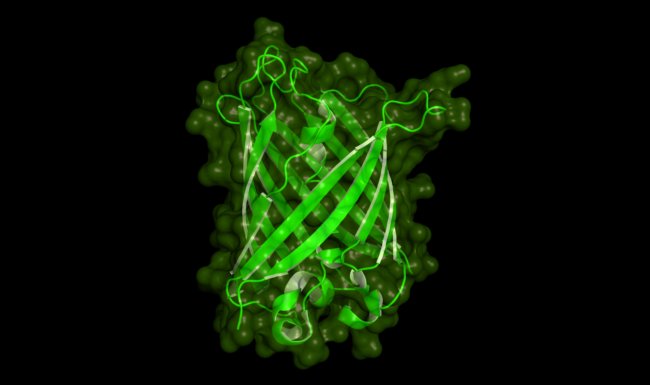
Osamu Shimomura Celebrated In Special Issue Of SPIE Journal
Professor Omura Shimomura isolated the green fluorescent protein from jellyfish, which revolutionized light microscopy and light-activated study.

Targeting p62 As A Possible Toxoplasma Vaccine
Scientists have discovered that the autophagy receptor p62 plays a key role in activating the killer T cells during infection with T. gondii.

How Mosquitoes Locate Veins So Quickly
Two olfactory receptors expressed on a mosquito's stylet are crucial for the accurate and efficient identification of veins for blood sucking.