


LATEST NEWS

UK And Singapore Launch Joint Research Projects In Cyber Security
Singapore's NRF and the UK's EPSRC have awarded a total of £2.4 million in research grants to six joint cyber security research projects.

Chinese Rover Discovers New Type Of Moon Rock
The lunar rover Yutu has discovered a new kind of moon rock, providing hints of the Moon's volcanic activity.
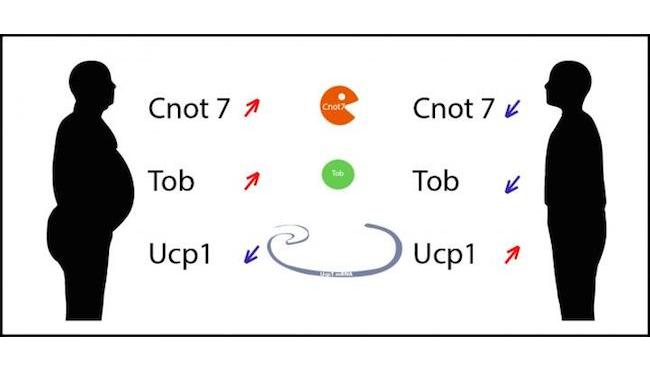
Obesity-Promoting Genes Discovered
Mice that lack two genes—Cnot7 and Tob—remain lean even after eating a high-fat diet, research shows.

Splitting Germs To Double Teeth
Cutting a tooth germ in two results in two usable adult teeth, albeit at only half the size.

Memories Labelled And Erased With Light
Researchers have developed an optogenetic probe that can both label individual neurons and erase memories in the brains of mice.

Scientists Uncover Secondary Structure Of Lewy Bodies
The secondary structure of plaques known as Lewy bodies could help researchers develop new treatments for Parkinson's disease.

It Might Make Sense To Treat Melanoma With Antisense Therapy
Antisense oligonucleotides targeting the MDM4 protein have been shown to reduce tumor growth in a mouse model of metastatic melanoma.

AstraZeneca Expands Presence in Asia With Deals in China and Japan
AstraZeneca has entered a strategic alliance with WuXi AppTech and acquired Takeda's respiratory business.

Addicted To Your Phone? There’s An App for That
Researchers have developed an app to help users restrict their mobile phone usage with the help of peer pressure.


