


LATEST NEWS

Neanderthal-Human Interbreeding Occurred Earlier Than Previously Thought
Researchers have identified when Neanderthals and modern humans interbred, and it is tens of thousands of years earlier than previous scientific estimates.

Impatience Could Be A Sign Of Cellular Aging
Impatience and a risk-taking attitude could be indicators of shortened telomeres, which have been linked to aging and risk of chronic disease.

Breaking Bad, Bacteria-Style
Move over, yeast. These genetically modified Escherichia coli bacteria can produce 300 times more thebaine—a morphine precursor—from the same amount of sugar.

Identified: Cocaine’s Targets Downstream Of Dopamine
Researchers have observed the behavior of dopamine in mice that were given cocaine, which activated a signaling pathway that was previously unknown.

Mitochondria-Targeting Nanoparticles For Alzheimer’s Disease
A mouse study suggests that antioxidant nanoparticles targeting the mitochondria could be used to treat Alzheimer's disease.

Physiotherapy Reorganizes The Brain For Post-Stroke Recovery
Activating the cortex-to-red nucleus pathway with physical rehabilitation helps rats recover after a stroke, possibly by reorganizing damaged brain circuits.
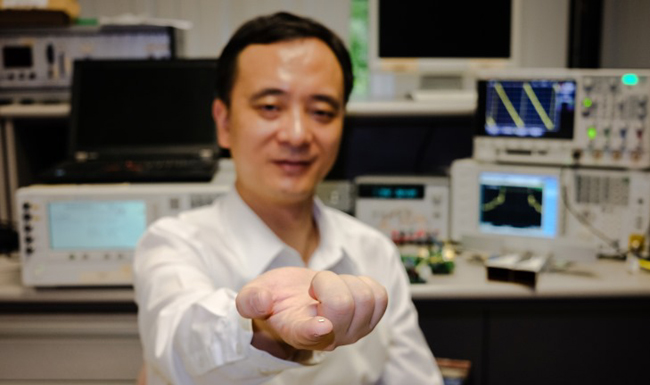
Tiny Radar Camera Microchip Packs A Big Punch
In the future, radar cameras for use in satellites could be made a hundred times smaller with this millimeter-long chip, without compromising on image quality.

Fast Radio Bursts Solve The Mystery Of The Missing Matter
Scientists have detected a fast radio burst coming from a galaxy billions of light years away, helping to confirm the presence of previously ‘missing’ matter.

Test Tube Sperm Produce Apparently Healthy Offspring
Researchers have successfully coaxed stem cells into sperm-like cells that can produce healthy offspring.


