


LATEST NEWS

Training AI To Spot Lung Cancer
An artificial neural network trained to recognize cancerous nodules could help detect lung cancers earlier and improve patient survival.

Forget Cats, AI Now Spots Lame Cows
Too busy to watch your cows? Let artificial intelligence do it for you.
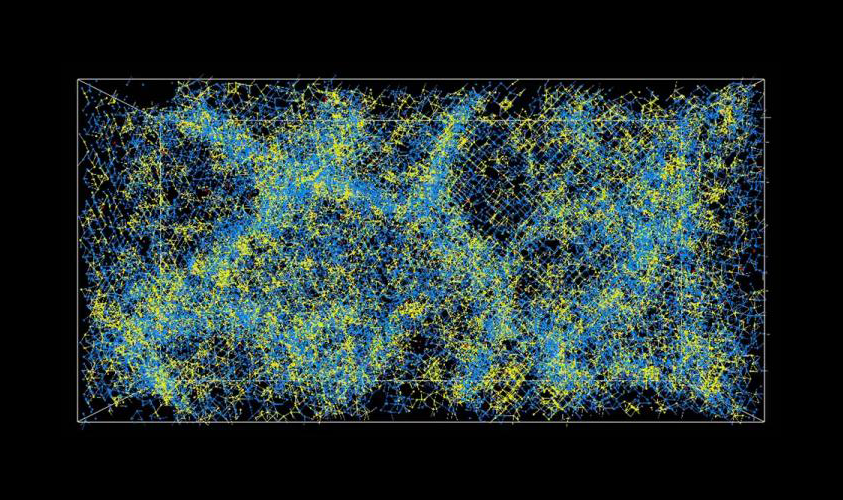
Supercomputers Used To Simulate Fusion Reactor Materials
Supercomputers have helped researchers realistically model what happens to tungsten when it comes into contact with impurities during nuclear fusion reactions.

Japan Dominates Latest Green Supercomputing Ranking
Six out of ten of the most energy efficient supercomputers in the world can be found in Japan.

Winners Of The Asian Scientist Writing Prize 2017 Announced
A total of 26 winners received their prizes at the Asian Scientist Writing Prize 2017 held at the Science Centre Singapore.

How The Liver Gets Rid Of Excess Bile
Using a cell culture system that mimics the structure of actual livers, scientists now understand how excess bile is removed from blocked ducts in the liver.

The Neural Link Between Anxiety And Sleep
Activating neurons in a region of the brain linked to fear and anxiety can cause mice to wake up from non-rapid eye movement sleep.

Inducing Labor Safely And Effectively
Using misoprostol rather than a catheter to induce labor is not only safer for women with pregnancy complications but also slightly more effective.

iCarbonX Joins HealthLoop’s US$8.4 Million Series B Round
The participation of iCarbonX brings the total Series B investment in HealthLoop’s patient-engagement platform to US$8.4 million.


