


LATEST NEWS

The Age Of The Astropreneur Is Here
As space becomes increasingly democratised, even small companies in small countries can get in on the game, says Dr Bidushi Bhattacharya, CEO and co-founder of Singapore-based space tech incubator Astropreneurs HUB.

Akira Yoshino Wins 2018 Japan Prize For Lithium Battery Breakthrough
Dr. Akira Yoshino, President of the Lithium Ion Battery Technology and Evaluation Center at Asahi Kasei, has been awarded the 2018 Japan Prize for his invention of lithium-ion batteries.

Takeda’s Zika Vaccine Moves Into The Fast Lane
TAK-426, Takeda’s Zika vaccine currently in phase 1 trials, has received US Food and Drug Administration’s Fast Track designation.

Lighting Up Brains And LED Displays
South Korean researchers have fabricated flexible vertical micro-LEDs and used it in optogenetics studies to control the behavior of mice.
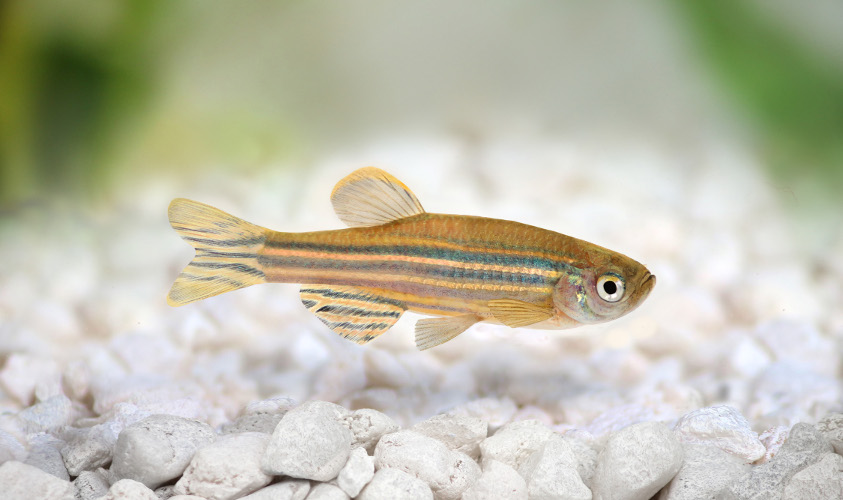
A Nose For Noxious Substances
Using transgenic zebrafish, scientists in Japan have discovered a neural pathway that controls behavioral responses to carbon dioxide.

Cells Have An Ear For Music Too
Scientists from Kyoto University In Japan have discovered that sound can suppress gene expression in cells.

7 Award-Winning Female Scientists
To mark the 2018 International Day of Women and Girls in Science, we've highlighted seven female scientists who have won international accolades for their research.

A Hair-Raising Discovery
Researchers in Japan have developed a method for large-scale preparation of hair-producing tissues.

Knocking Tumors Out Like A Light
Scientists have developed a wireless device that enhances the reach and effectiveness of anti-tumor photodynamic therapy.


