


LATEST NEWS

Making Sense Of Metabolites In Living Systems
Combining computational algorithms with mass spectrometry, scientists in Japan have devised a technique to speed up the identification and characterization of natural products.
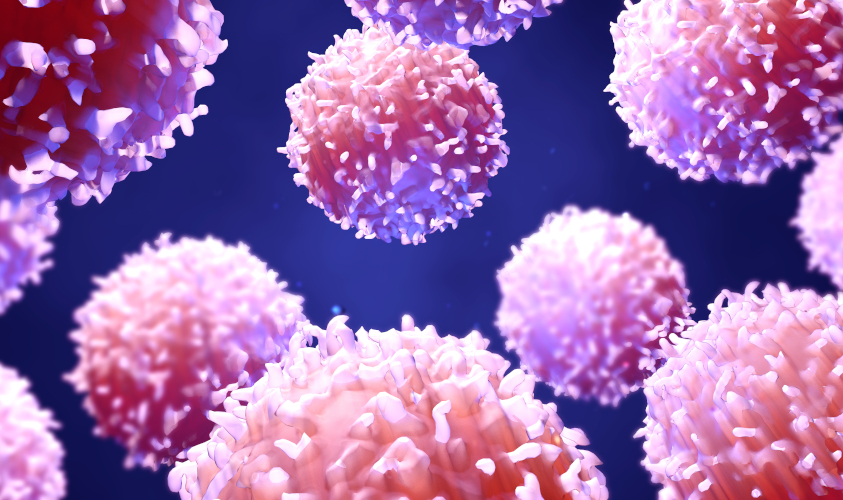
Engineering T-Cells To Home In On Liver Cancer
Researchers in Singapore have selected, designed and engineered patient-specific T cells that target hepatitis B-infected liver cancer cells.
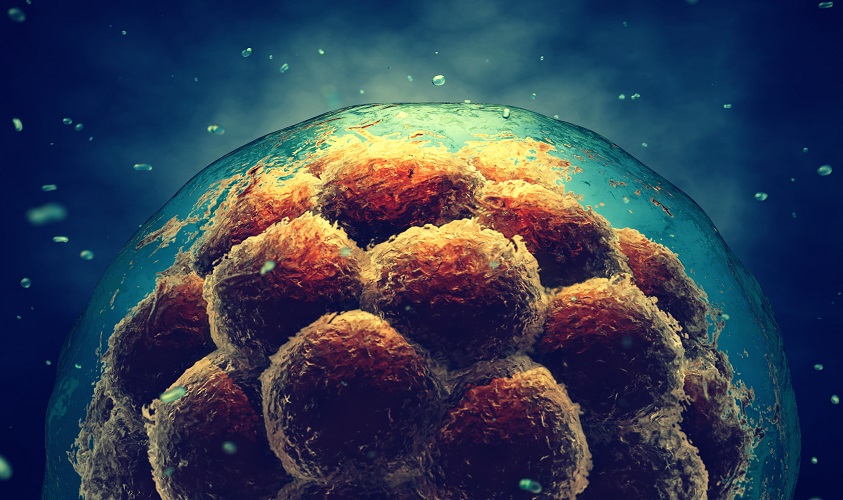
Microscopy To Measure The Potency Of Stem Cells
Researchers in Japan have developed a modified version of differential interference contrast microscopy which helps identify pluripotent stem cells with the greatest medical potential.

A Better Way To Compost Using Ceramsite
Chinese scientists have added a porous material known as ceramsite to accelerate the degradation of organic material and increase the retention of nutrients in compost.

Getting Stem Cells Ready To Repair Hearts
Using a drug and proteins known as laminins, scientists have found a way to induce stem cells to differentiate into cardiac muscle-like cells, fibroblast-like cells and epithelial-like cells.

Weaving Electronic Fibers Into Fabric
Researchers in China have developed a 3D printer equipped with a coaxial nozzle that threads energy-harvesting fibers onto fabrics.

NUS Recruits Nobel Laureate Konstantin Novoselov As Faculty
Professor Konstantin Novoselov is the first Nobel laureate to be recruited by a Singapore university and will lead a research group working on intelligent materials.
i-Tiles For Teaching Special Needs Students
Scientists in Singapore have developed an interactive education system to help students with special needs learn better.

Levels Of Autism In China Similar To The West
A joint China-UK study has found that around one in a hundred Chinese has an autism spectrum condition, and that this prevalence is similar to that in Western countries.


