


LATEST NEWS

Lim Tae-won: South Korea’s Hydrogen Hero
To pave the way for cleaner transportation, Lim Tae-won is leading South Korea's shift from gasoline-powered vehicles to ones powered by hydrogen fuel cells.

China’s Father Of Hybrid Rice, Yuan Longping, Passes At 90 (In Memoriam)
Yuan Longping's seminal work on cultivating hybrid rice varieties helped feed millions in China and around the world.

SARS-CoV-2 Variants, Explained
As new SARS-CoV-2 variants emerge, tried-and-tested solutions could be the key to stamping out COVID-19.
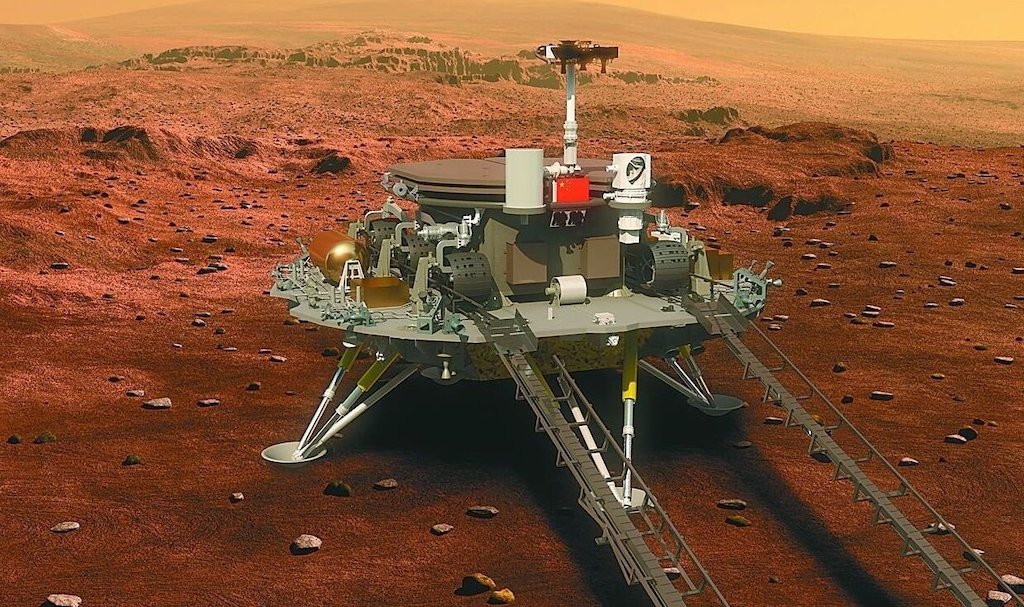
Zhurong Rover Takes China To Mars
As China’s first rover on Mars, Zhurong is set to probe the Red Planet’s magnetic field and search for subsurface water, making its mark in a new era of space voyages.

Nuts & Bolts—Employing Robot Colleagues For Warehouse Work
These four Tech Offers would revolutionise warehouses through logistics technology.

New Device Helps Robots Get A Grip
An all-round gripper developed by South Korean researchers can freely handle objects regardless of shape and material.

How Climate Change Is Destroying Indonesia’s Ancient Rock Art
Extreme weather events caused by climate change are creating the ideal conditions for the degradation of some of the world's oldest rock art.

Asia’s Scientific Trailblazers: Sham Mai Har
After navigating a career full of surprising opportunities, Chinese University of Hong Kong Pro-Vice-Chancellor Sham Mai Har is now building a research culture that empowers rising scientists.

Reaching Everyone Through Affordable Healthcare (VIDEO)
By delivering affordable medical services, reach52 CEO Mr. Edward Booty is empowering underserved communities to lead better, healthier lives.


