
LATEST NEWS
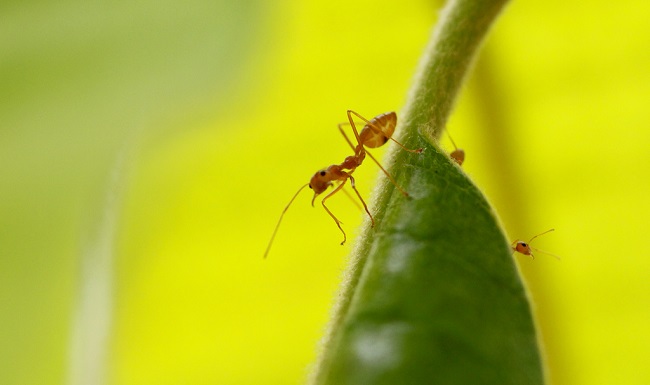
Do ‘Ant Repellents’ Protect Nectar Or Bees?
The amount of ant repelling compounds plants produce correlates to the size of the bee polinators they attract, study says.

Taiwanese MLD Patient Receives Genetically Modified Stem Cell Transplant
An 18 year old patient has seen an improvement in her condition following a stem cell transplant to treat metachromatic leukodystrophy.

NTU Leads Expedition To Assess Tsunami Risks
The month-long expedition to map the sea floor off Sumatra will provide open source data for the prediction of tsunami risks.

Need A Nanostructure? Just Laser Print It!
Laser printed nanostructures that can selectively capture and release microparticles could find applications in chemistry and microfluidics.

Supercomputers Shed Light On Cellulose Synthesis
Aided by IMB supercomputers, researchers have performed quadrillions of calculations to model the synthesis of cellulose.

Why Embryos Die Without GPIs
A study in nematode worms shows that glycosylphosphatidylinositol lipid anchors are essential for membrane stability, particularly during embryogenesis.
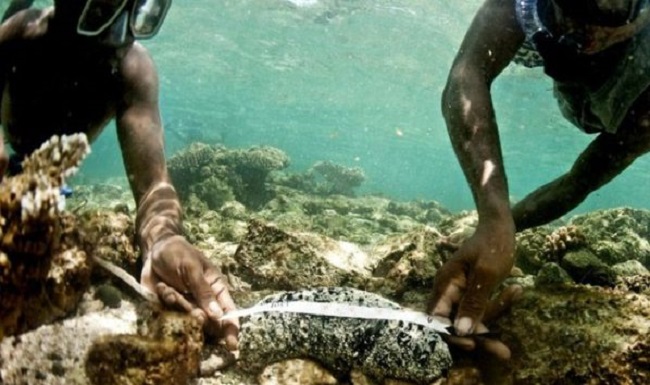
Rotational Harvesting Could Save Sea Cucumbers From Extinction
High value and easy to catch, sea cucumbers could face extinction unless rotational harvesting and other sustainable practices take off.

MYC: The Link Between Cancer & mRNA Splicing
Although more commonly associated with cancer, the oncoprotein MYC also plays an essential role in alternative splicing.

Carnivore Tummies Make Pandas Inefficient Bamboo Munchers
The lack of plant-degrading gut microbes and enzymes mean that pandas can only digest 17 percent of the bamboo they eat.