


LATEST NEWS

A Profile Of Microbial Aerosols Across China
Researchers have used a unique UV-based probe to measure the size distribution and diversity of microbes across 11 provinces of China.

Genes Involved In Peripheral Artery Disease Identified
An epidemiological study has identified three specific genes associated with peripheral artery disease in the Japanese population.

Galaxies Were More Efficient When The Universe Was Young
Thanks to powerful space telescopes, scientists have captured the carbon monoxide emissions of starbursts in the early universe.
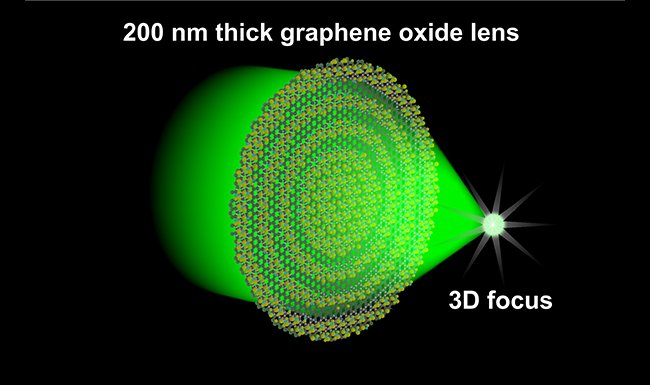
Ultrathin Graphene Oxide Lens Developed
A highly flexible lens that is 300 times thinner than a sheet of paper could spur the development of next-generation optical systems.
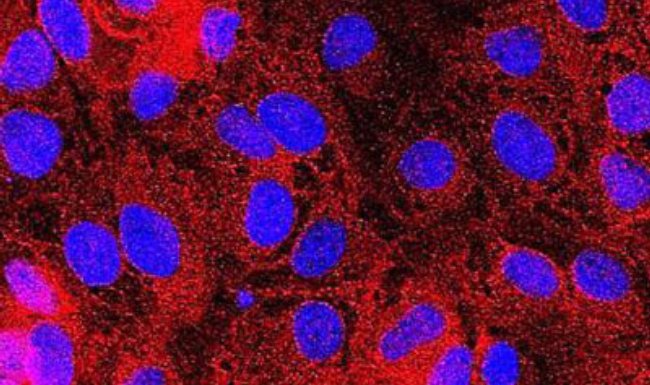
Animal-Free Screening For Nephrotoxicity
By combining iPS cells with machine learning, researchers have developed an efficient and accurate screening platform to detect compounds that are toxic to the kidneys.

Keeping Two Eyes On Chromosome Alignment
The RanGTP-Ubr5-BuGZ-Bub3 signaling axis helps to guarantee spindle checkpoint silencing, ensuring proper cell division.

Huawei & BGI Partner On Big Data Genome Storage Project
Huawei and BGI have formed a tag team to develop big data genome storage systems and improve the efficiency of genomic research.

First iPSC Transplant Patient Doing Well
The first patient to receive an iPS cell transplant has shown no tumor formation since her surgery in 2014.

Scientists Develop A Mitochondrial-Driven Mouse Model Of Depression
Research has implicated mitochondria dysfunction in depression, providing new insight into the onset of this debilitating illness.


