


IN THE LAB

Building Better Inorganic Perovskite LEDs
By using cesium trifluoroacetate, scientists have created bright, all-inorganic perovskite LEDs with a half-lifetime of over 250 hours.

X-Chromosome Inactivation Reveals Cause Of Rare Brain Disease
Scientists have found that the CASK gene is responsible for a rare brain disorder called MICPCH.

Illuminating How The Brain Beats Trauma
Scientists have unmasked the neural circuit that underlies psychotherapy for sustainably reducing fear.

Pace Of Information Processing Differs In Autistic Brains
Autism is linked to random activity in the sensory cortices and slower processing in the right caudate of the brain, researchers say.

Malaria Parasites May Skew Sex Ratio To Survive
Plasmodium vivax parasites alter their sex ratios in response to treatment with chloroquine, study shows.
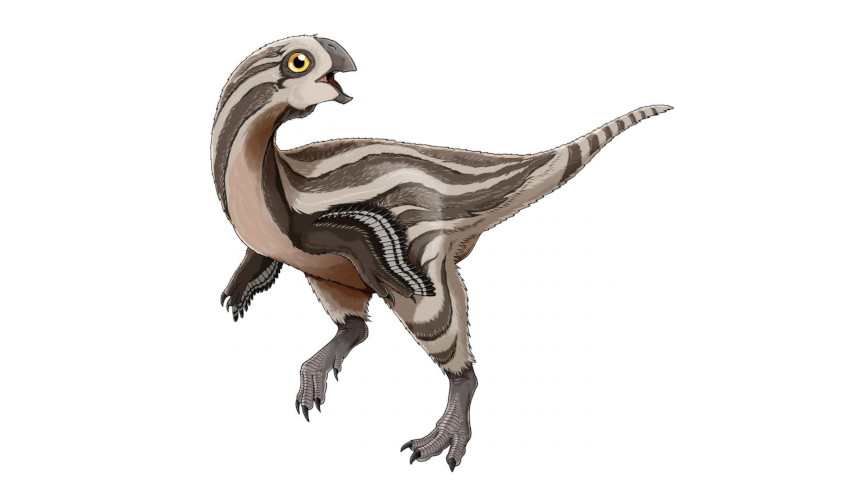
New Oviraptorosaur Species Found In Mongolia
Scientists have found an incomplete skeleton of a feathered, bird-like dinosaur with unusually thick jaws, suggesting that the dinosaur fed on hard food items like eggs.

Elastic Polymers That Spontaneously Heal Themselves
Scientists in Japan have found a method to produce a self-healing material that does not require external stimuli to trigger its healing properties.

Immune Cell ‘Handshake’ Can Kill Dengue Virus
The interaction between two types of immune cells—mast cells and γδ T cells—is necessary for fighting dengue infection, say researchers from Singapore.

Single Cells Move To A Different Beat
Unlike their unicellular counterparts, aggregated social amoebae need physical contact to get them going, say researchers from Japan.


