


IN THE LAB

“Virtual Water” Accounting Tracks China’s Supply
A method of modelling "virtual water" in China has shown that water usage for agriculture can be reduced without compromising food security.

Genetic Landscape Of ‘Cantonese Cancer’ Mapped
A study of over 100 nasopharyngeal cancer patients has uncovered the genetic basis of the disease and identified possible drug targets.

Stretchy Hydrogels Spur Tissue Engineering
An electrically conductive hydrogel that can withstand repeated stretching and bending could lead to the development of the next generation of implantable devices.

Manipulating Proteins With Light
Scientists from Korea's IBS have developed a method of controlling protein functions without drugs that could have widespread applications in cancer and signal transduction research.

Helping Computers Perceive Gender
Scientists have developed a mathematical model based on 3D facial scans that enables computers to objectively perceive gender.
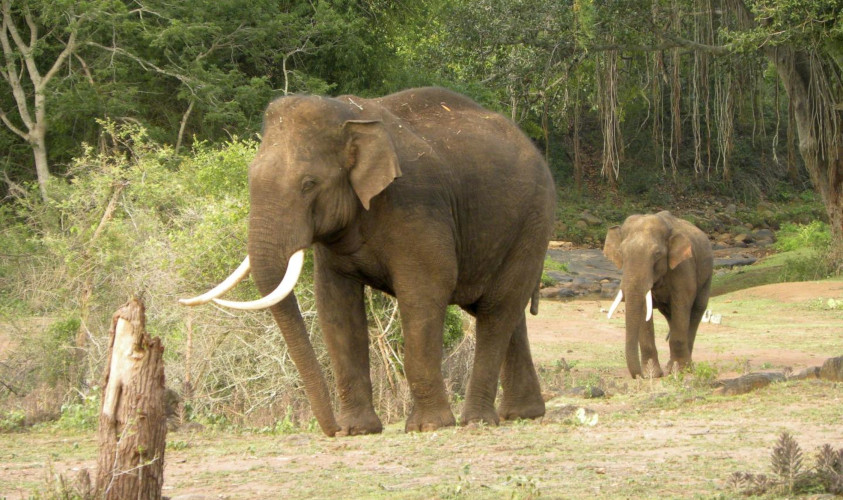
From Sri Lankan Elephants To Shoppers
An approach originally developed to track Sri Lankan elephants has been applied to study consumer behavior.

Oxidative Damage To Liver Worsens Obesity
Research from Monash University has uncovered the link between diabetes, obesity and fatty liver disease: oxidative stress caused by free radicals.

Dense Stars Deformed By Extreme Magnetic Forces
Scientists have found that dense stars known as magnetars are deformed by their extremely high magnetic fields, resulting in a wobbly orbit.
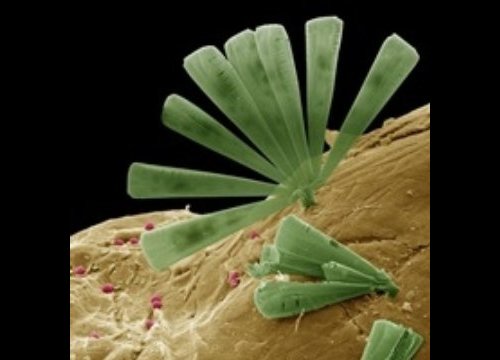
Tiny Plastic Dwellers Exert Big Impact On Oceans
Micro-organisms colonizing small pieces of plastic waste in the ocean might be breaking them down, but could also have negative effects such as plastic ingestion and ecosystem disruption.


