


IN THE LAB

The Physics Of Wound Healing
Experimental and computational evidence points to a third mechanism of wound healing previously unknown to science.

Sniffing Out An Artificial Insect ‘Nose’
Insect odorant receptors on tiny balls of cells have been used to develop biosensors for gaseous compounds.
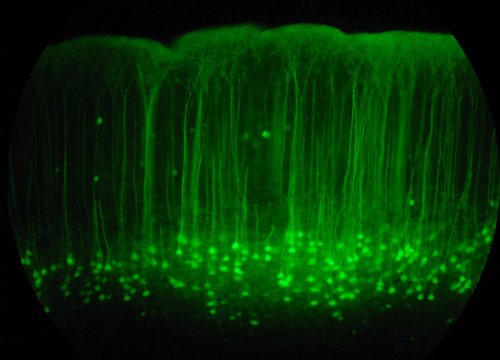
How Neurons Fire During Absence Seizures
A study in mice questions the role of burst firing neurons in absence seizures and could lead to the development of new modes of treatment.
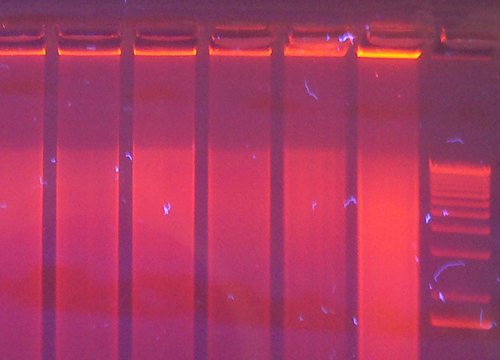
Teaching Old Drugs New Tricks
Understanding why RUNX deficiencies result in leukemia has led to new applications for PARP inhibitors.

Newly Characterized Cells Could Treat Sepsis
Instead of antibiotics, doctors could use the patient's own immune cells to treat deadly sepsis in the future.

Detecting Rare Genetic Diseases In Under 30 Minutes
By combining the patient's symptoms with his or her genetic information, the Phen-Gen tool can quickly detect faulty genes.

The Chemical Signature Of The Birth of The Stars
Scientists discover a star with a chemical composition similar to the first stars to form after the big bang.

All The Better To Smell You With
Elephants, not dogs, have the most number of olfactory receptor genes, study shows.

Hummingbirds Turned Savory Into Sweet
Scientists have unraveled the mystery of how hummingbirds detect sugars without sweet-taste receptors—they use modified savory receptors instead.


