


IN THE LAB
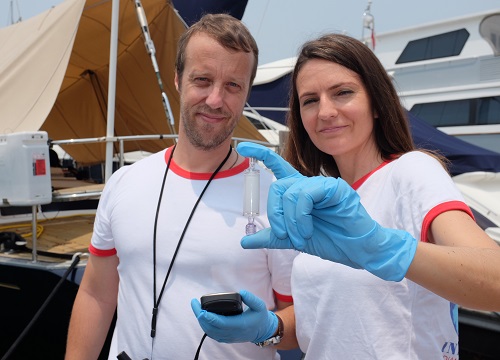
How To Become A Marine Biologist
A Singaporean university partners with other institutions to build a global network of citizen oceanographers.

Genetic Code Of Resilient Midges Unveiled
Researchers have deciphered the genetic mechanism of a species of small fly that is invulnerable to harsh conditions such as drought.

Bottom-Up For Self-Assembled Graphene Ribbons
By exploiting the properties of copper, scientists have developed a way to produce defect-free graphene nanoribbons in a specific configuration.

Graphene Enables Room Temperature Terahertz Detection
Scientists have built a terahertz radiation detector that has a range 100 times larger than the visible spectrum and can operate even at room temperature.

Attacking Superbugs With New Drug Cocktails
A Singaporean team has discovered new ways to enhance the efficacy of drugs used to treat respiratory infections and antibiotic-resistant superbugs.
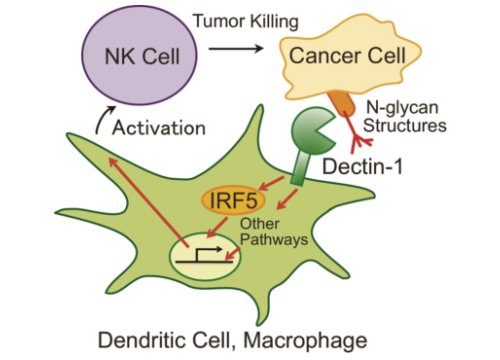
Innate Cooperation Can Kill Tumors
Scientists have found that the innate immune system also participates in the killing of tumor cells.

When It Comes To Risk, Grey Matter Matters
The volume of grey matter could be used as a biomarker for financial risk attitudes, researchers say.
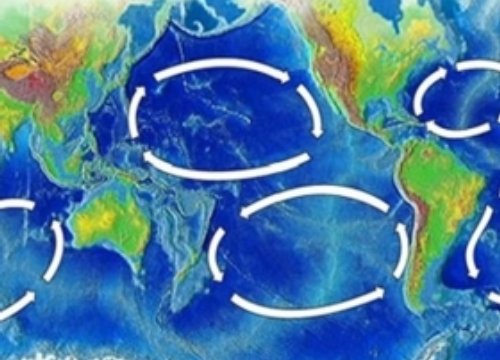
Microbes Evolve Faster Than Oceans Can Disperse Them
A genomic study of marine bacteria reveals how localized biogeographic patterns form in the open oceans.

Spotting Refractory Epilepsy Early With Scalp EEG
Scientists have developed an automated and quantitative method of diagnosing epilepsy in children based on scalp EEG.


