


IN THE LAB

The Ants That Conquered The World
The highly diverse Pheidole genus of ants adapted to tropical environments twice, contributing to their success in both the Old and New Worlds.

The Dual Role Of Histone Acetylation In Stem Cells
The H3K9Ac epigenetic mark has contrasting effects at different stages of stem cell differentiation, study shows.
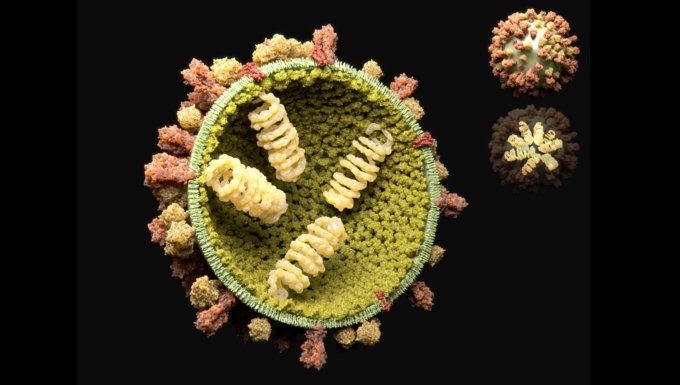
Adapting Influenza For Vaccine Mass Production
The ability to grow influenza in cell culture rather than chicken eggs paves the way for mass production of the vaccine.

Gut Microbes Influence Blood-Brain Barrier
In the absence of bacteria, mouse pups are born with a leaky blood brain barrier that persists to adulthood.

Gliding Lizards Mimic Falling Leaves
The colors of the gliding lizard "wings" are for blending in rather than communication, scientists say.
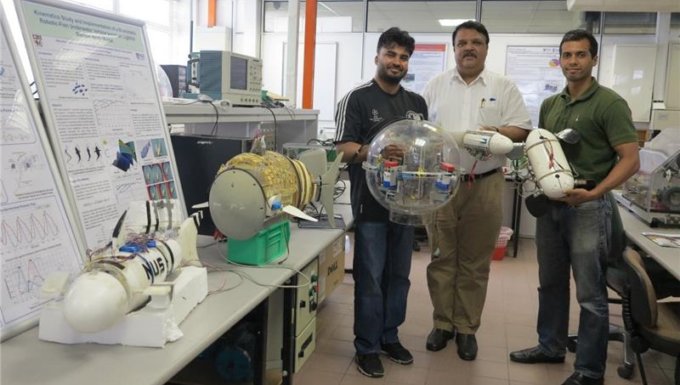
Exploring The Oceans With Robotic Turtles & Pufferfishes
Researchers from NUS have designed biomimetic robots capable of performing complicated tasks such as surveillance and energy harvesting.

Mum’s miRNA Regulated By Wispy
With the identification of Wispy, scientists are one step closer to understanding how maternal miRNAs regulate early embryonic development.
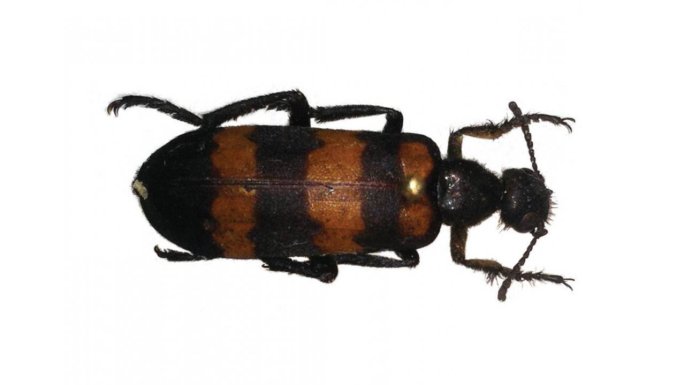
Chinese Blister Beetle Named After Marco Polo
The newly identified Hycleus marcipoli beetle has been named in honor of the Chinese-Italian collaboration that discovered it.

Future Batteries: Lithium-Sulfur with a Graphene Wrapper
Scientists have used a graphene wrapper to improve the efficiency and stability of lithium-sulphur batteries.


