


IN THE LAB

Charging Medical Implants With Light
In the future, implanted medical devices like pacemakers could be wirelessly charged through LED patches on the skin.
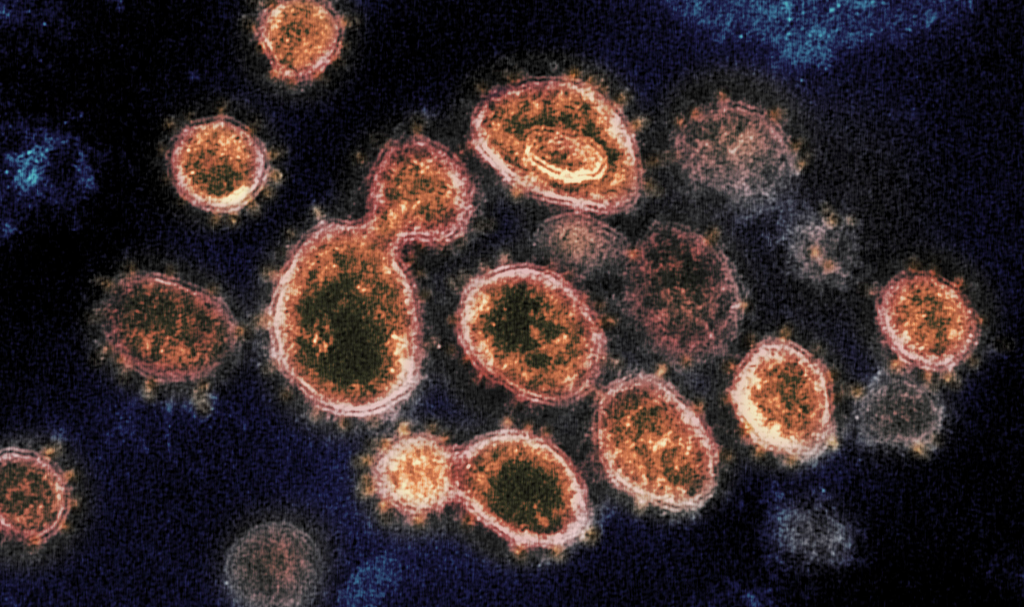
Mutation Making SARS-CoV-2 Milder Identified
The ∆382 mutation in the open reading frame 8 region of the SARS-CoV-2 genome leads to less severe infections and could possibly be used as a live attenuated vaccine.
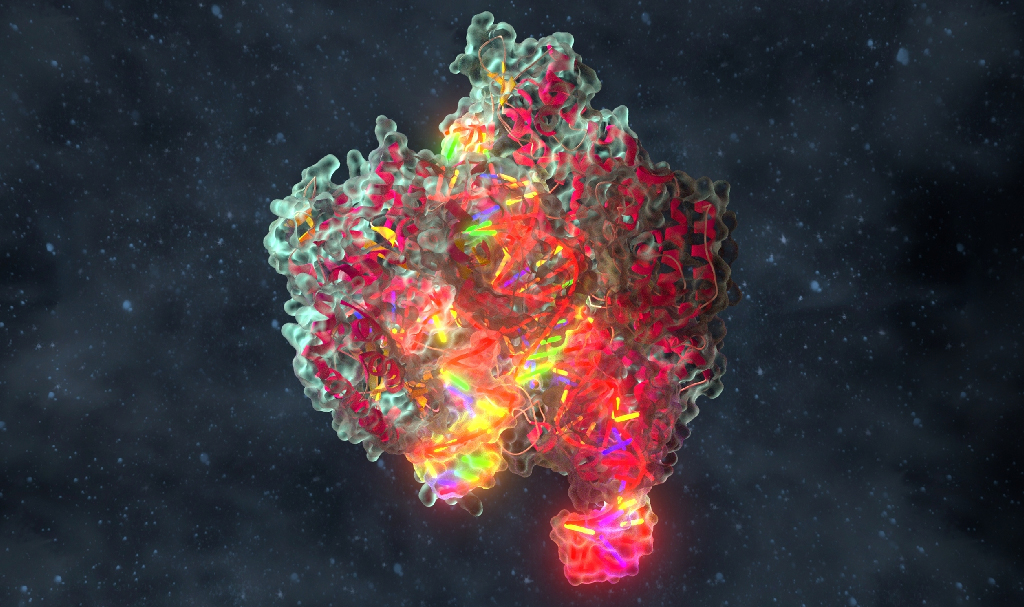
Mutating Cas9 To Improve CRISPR Accuracy
Researchers have modified the Cas9 enzyme to create a version that is 93 times more accurate than what is found in nature.

Human iPSCs Spur Malaria Research
Human liver cells derived from induced pluripotent stem cells have helped scientists studied an elusive stage of the Plasmodium vivax parasite’s life cycle.
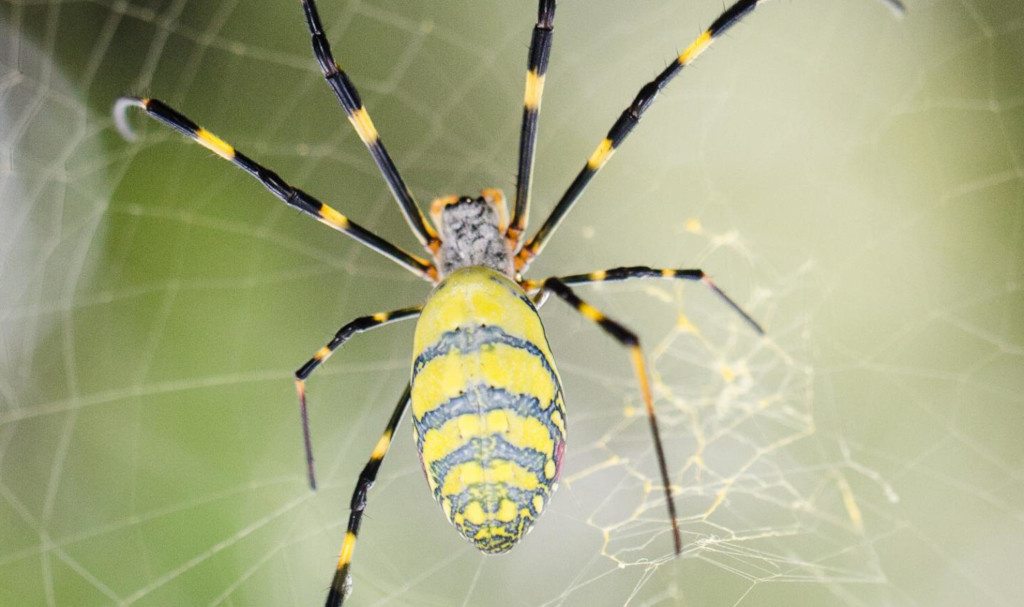
Scaling Up Spider Silk Production
Researchers in Japan have produced artificial spider silk using photosynthetic bacteria, opening the possibility of mass produced spider silk.
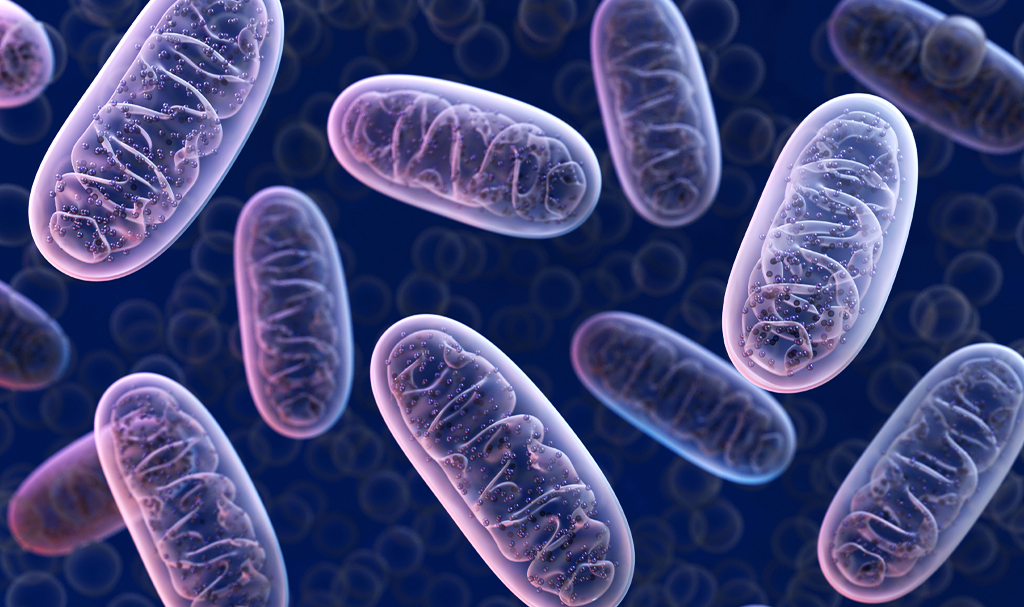
Yes MAM: How Organelles Talk To Each Other
Using a new technique to observe inter-organelle communication in live cells, researchers have identified the proteins that form signaling hubs known as mitochondria-associated membranes.

A Closer Look Into Viral Dark Matter
Taking a metagenomics approach, researchers in Japan have identified phage-derived enzymes that could potentially treat an imbalance of gut bacteria.

Sun-Like Stars Reveal The Secret Life Of Lithium
In contrast to theoretical predictions, stars can produce lithium after they become red giants, challenging our current understanding of the origins of lithium.

How The Immune System Spots Melioidosis Bacteria
Researchers have found that cell fusion—rather than the bacteria itself—is what alerts the immune system to Burkholderia pseudomallei infection.


