


IN THE LAB

Ultrashort Laser Bursts To Bridge The Terahertz Gap
By creating grooves and ripples on the surface of terahertz emitting devices, scientists were able to enhance terahertz emission significantly, overcoming the ‘terahertz gap.’

An Invisible Wildlife Trade Uncovered
The illegal trade of flora of Southeast Asia is larger than previously thought, spurring the call for more attention to be paid to this important form of biodiversity.
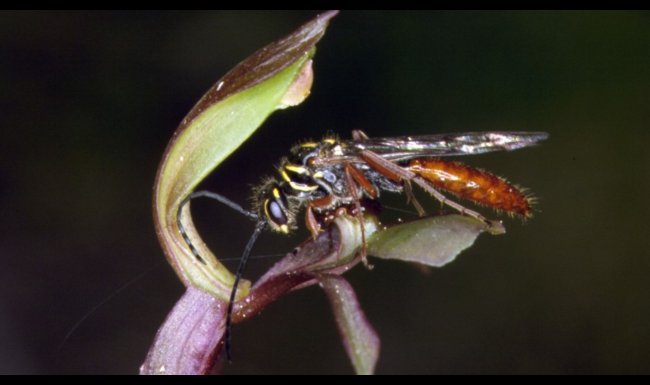
Size Matters For Sexually Deceptive Orchids
Besides chemical signals, shape and size matter when it comes to attracting male wasps to pollinate orchids, scientists say.

Oncogene Identified As Inhibitor Of Cell Reprogramming
Inhibiting the well-known oncogene c-Jun could make it easier to turn somatic cells into induced pluripotent stem cells, study says.

Like Humans, Apes Also Cannot ‘Unsee’
By modifying eye-tracking technology, researchers have shown that apes can remember and anticipate sequences from movies.

Electronic Reminders Help TB Patients Stay On Track
Electronic reminders could help China deal with the growing problem of TB by improving patient adherence.

How Antidepressants Activate Astrocytes
Researchers have uncovered the signalling pathway taken by antidepressants to increase the growth of astrocytes.

Terminating Termites By Decapitation
Unlike most other snakes that swallow their prey whole, the blind snake tries to decapitate termites before eating them.

What Fish Can Tell Us About The Effects Of Microgravity
A study on medaka fish raised on the International Space Station sheds light on how bone responds to sustained exposure to microgravity.


