


IN THE LAB

Estimating MERS Risks In Real-Time
The statistical method of estimating death risks in real-time developed by Japanese researchers is especially useful for novel outbreaks with few patients.

Exercise Triggers The Phosphorylation Of A Thousand Proteins
Over a thousand proteins are phosphorylated within ten minutes of exercise, suggesting that drugs to mimic exercise will have to target multiple pathways.
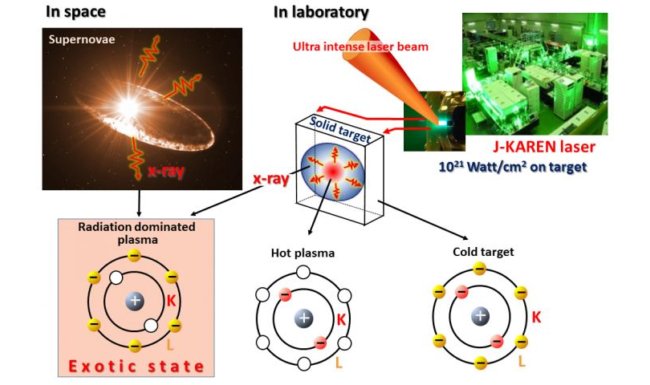
Ultra-Intense Lasers Empty Atoms From The Inside Out
The J-KAREN femtosecond laser facility has been used to generate X-rays with a radiative temperature of 15,000,000°C.
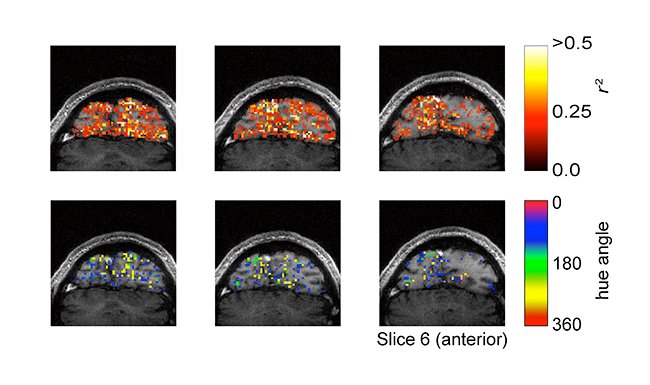
Neurons That Respond To Intermediate Colors Identified
For the first time, researchers have demonstrated that there are neurons that respond to colors outside of the red/green and yellow/blue dichotomies.

The Hum Or Bursts Of Purkinje Cells
The two different states of Purkinje cell signaling could be related to how the cell decides to respond to incoming signals, scientists say.

Keeping The Circadian Clock Stable, Whatever The Temperature
Scientists have proposed a phosphoswitch mechanism to explain the stability of the key circadian protein PER2 in the face of fluctuating temperatures.

Gene Suppression Makes Memories
Gene repression, rather than the previously assumed protein translation, could play an important role in memory and learning, scientists say.
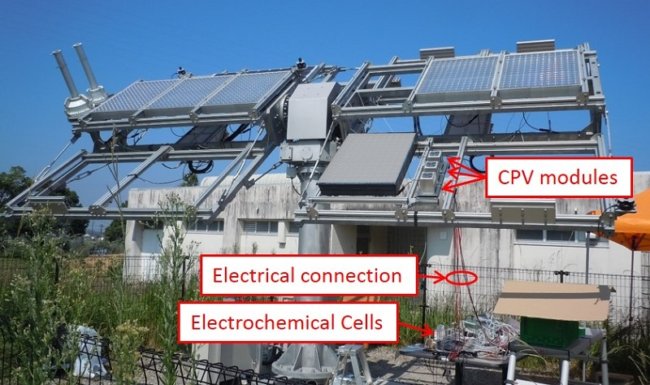
Efficiency Of Solar-Powered Electrolysis Doubled
Having reached a solar-to-hydrogen efficiency of more than 24 percent, it may soon be feasible to harness the sun to split water.

Worrying Trends In Rubber Expansion Across Southeast Asia
The expansion of rubber plantations in Southeast Asia is not only destroying biodiversity but is a sub-optimal use of land, scientists say.


