


IN THE LAB

Solving The REM Sleep Mystery
Using genetic tools to manipulate activity of a specific class of neurons in the brain, neuroscientists have identified the neural circuit involved in REM sleep.
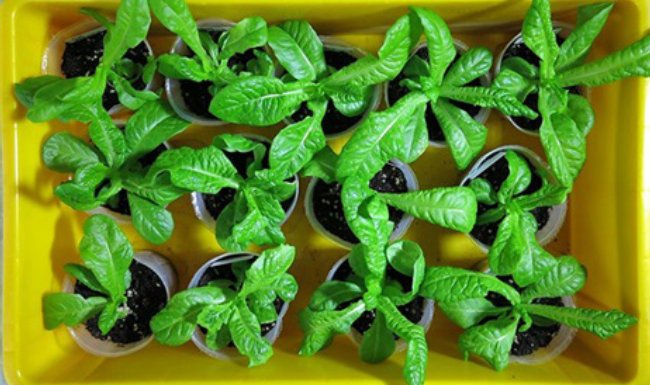
Gene Editing Plants Without DNA
Researchers have developed a method to edit the genome of plants without the introduction of foreign DNA, possibly circumventing objections to genetically modified organisms.

A Flexible Robot To Clean Thin Pipes
Scientists have created a mobile device made out of three rubber tubes that can move effectively along the axis of thin pipes.

Silicone Sponges Effectively Separate Oil From Water
By incorporating silane molecules in to silicone sponges, scientists were able to create highly efficient sponges that can mop up oil-based products mixed in water.

Manipulating Wrinkles To Turn Graphene Into A Semiconductor
Structurally introducing tiny wrinkles to the surface of graphene can turn it into a semiconductor material, scientists say.

Cleaning The Oceans With Sulfur And Orange Peels
An unlikely pair—sulfur and orange peels—form a new material that can absorb toxic mercury from both the ocean and the soil.
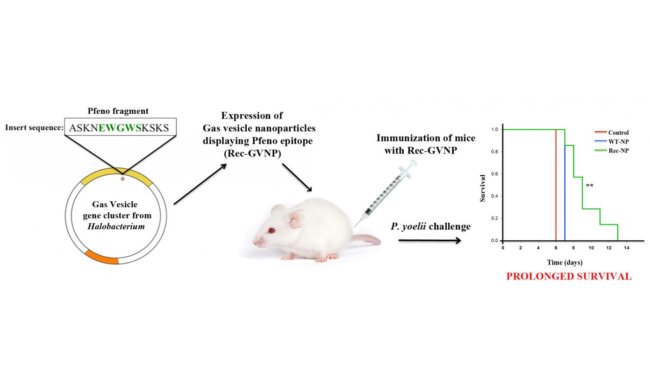
A Broad Spectrum Malaria Vaccine
Scientists have identified a key five amino acid segment present in all malaria-causing Plasmodium species, paving a way for the design of a broad spectrum malaria vaccine.

How Mosquitoes Locate Veins So Quickly
Two olfactory receptors expressed on a mosquito's stylet are crucial for the accurate and efficient identification of veins for blood sucking.

Existing Drugs Could Help Beat Betel Nut Addiction
The betel nut addiction may be treated with drugs for nicotine addiction as they involve the same receptors in the brain.


