


IN THE LAB
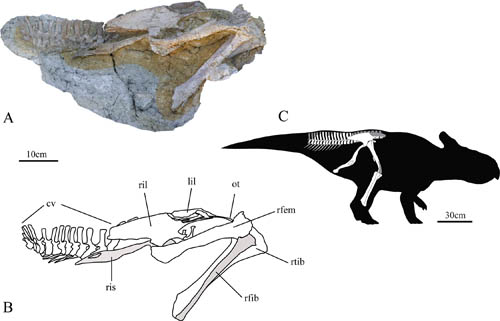
New Triceratop-Like Dinosaur Discovered In China
Paleontologists have found the fossil of triceratop's relative in China's Shandong Province.

Star Clusters ‘Adopt’ Baby Stars Instead Of Bearing Their Own
Astronomers have found evidence for a 1952 theory that globular clusters ‘adopt’ baby stars instead of creating more biological star ‘children.’

2012 Sumatra Earthquake Shook Up Japan
The April 2012 Sumatra earthquake had far-reaching effects, inducing increased seismic activity in parts of Japan.
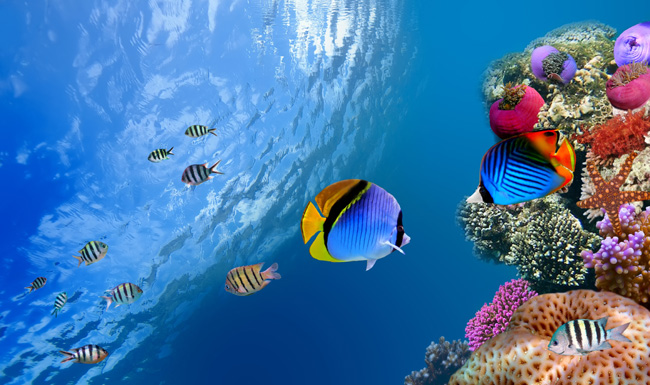
Fish Getting ‘Drunk’ From High Carbon Dioxide Levels: Study
By 2100, marine life in half the world’s surface oceans are expected to be affected by carbon dioxide intoxication, which is a condition known as hypercapnia.

Could More Acidic Oceans Mean Less Pearls?
Increasingly acidic sea conditions have been shown to weaken the shells of pearl oysters—but it appears these mollusks are pretty resilient creatures.

Cell Conversion? There’s An App For That
Mogrify is an algorithm that helps researchers predict the set of transcription factors required to convert one cell type into another.
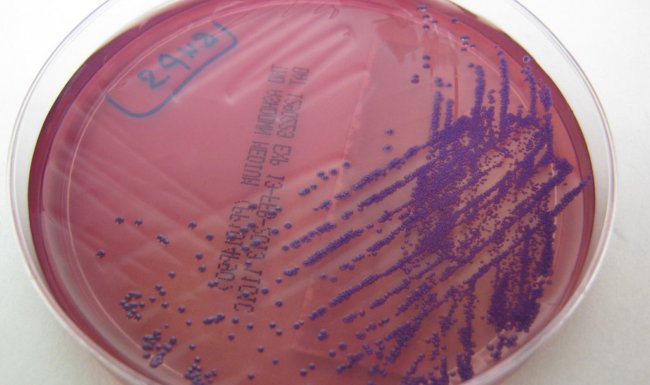
Researchers Warn Of Little-Known Bacterial Disease
Melioidosis is likely to be present in most of the tropics, including 34 countries where it has never been reported, researchers say.

Discovery Of Most Powerful Supernova To Date
Researchers have observed a super-luminous supernova explosion which is twice as powerful as the previous record holder.

Fatty Acid Balance During Pregnancy Affects Offspring’s Brain
Fish, an excellent source of omega-3 fatty acids, have been found to have a beneficial effect on fetal brain formation within the womb.


