


IN THE LAB

The Case Of The Mysterious Missing Dinosaur Footprints
Some intriguing dinosaur tracks found in China show only the hind prints, with the front ones missing. Why?

Thai Tiger Numbers Are Slowly Bouncing Back
The tiger population in a Thai wildlife reserve is increasing, thanks to enhanced protection measures by the Thai government and the Wildlife Conservation Society.
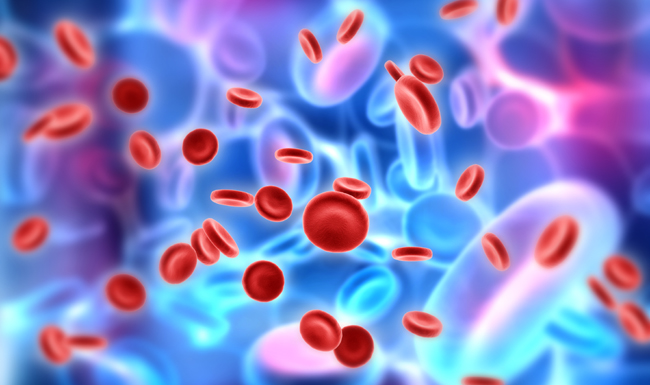
Helping Bone Marrow Cells Keep Their ‘Stemness’
Researchers have discovered a protein that helps to regulate blood stem cells in bone marrow, shedding light on the underlying causes of blood diseases.

Microbial ‘Tattletales’ In The Gut May Diagnose Diabetes Early On
Gut microbial biomarkers can tell many stories about your health status—they may even be able to diagnose type 2 diabetes before onset, allowing for preventive action.

How Migration Affects Your Child’s Risk Of Nut Allergy
Australian-born Asian children are at greater risk of nut allergies than Asian children that migrate there—suggesting a strong environmental risk factor.

A Superconducting Graphene Sandwich
Calcium atoms sandwiched between two layers of graphene form an ultrathin superconductor that might one day be used in high-speed nanoelectronics.
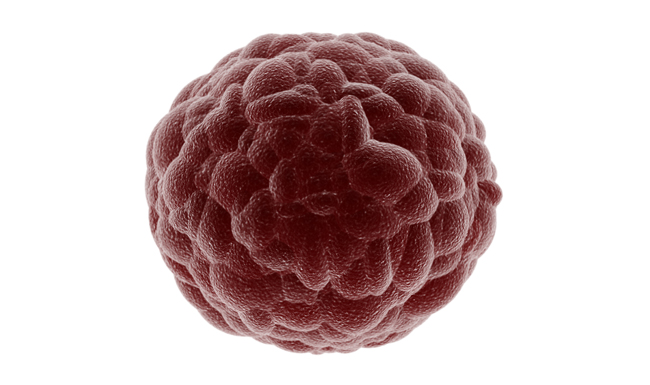
Honing The (Cancer) Killer Instinct Of iNKT Cells
Reprogramming invariant natural killer T cells in the lab increases their potency and helps them seek out and kill cancer cells.

Mass Vaccination Could Curb HFMD In China
China reported nine million cases of highly infectious HFMD between 2008 and 2013; broad vaccination could help bring these numbers down.

The Spooky Protein That Regulates Gene Expression In Flies
Insects need carefully controlled amounts of steroid hormone to molt, and the “Ouija Board” protein plays an important role in this process.


