


IN THE LAB

Mongol Empire Expansion Hindered By Wet Weather
Even mighty empires in history were at the mercy of Mother Nature—researchers theorize that the Mongol army withdrew from Hungary in 1242 CE due to sudden cold, wet conditions.
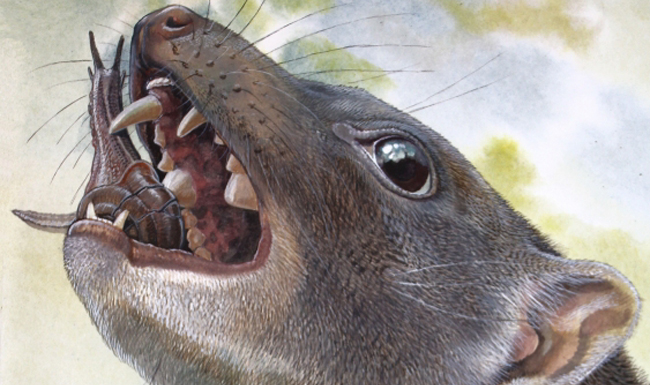
Ancient Marsupial Enjoyed Eating Escargot
Researchers have discovered the fossil remains of carnivorous Australian marsupials that ate snails and lived 15 million years ago.

Gaps In Young Star’s Gas Disk Could Indicate Baby Planets
Two gaps in the gas disk around the young star, HL Tauri, are evidence of what might be newly-formed planets—challenging the belief that planets take millions of years to form.

Dengue Hotspots More Likely To Spread Zika Virus: Study
Subtropical and tropical countries with a history of mosquito-borne diseases have the greatest risk of the virus spreading once it hits the country.

Malaria Breath Test Undergoes Field Trials
The breathalyzer device, which resembles the one used to test for drink driving, is cheaper than a blood test and requires no medical expertise to operate.

Need To Stop A Bacterial Invader? Pull On Its Tail
A protein called Lypd8 defends the body from inflammation by binding to the bacterium's tail and stopping it in its tracks.
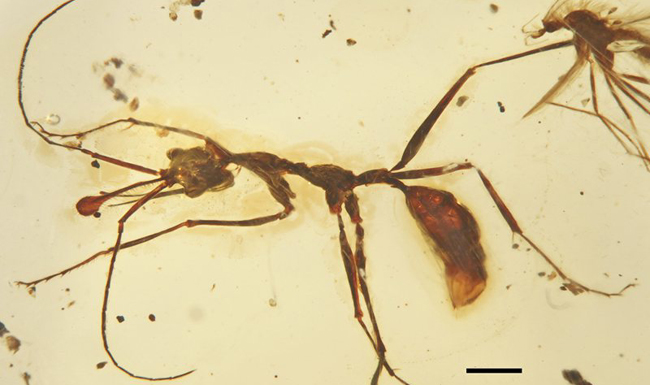
Ancient ‘Unicorn’ Ant Trapped Prey With Its Giant Horn
The bizarre-looking ant, preserved in 99-million-year-old Burmese amber, had a prominent horn and exaggerated, scythe-like mandibles.
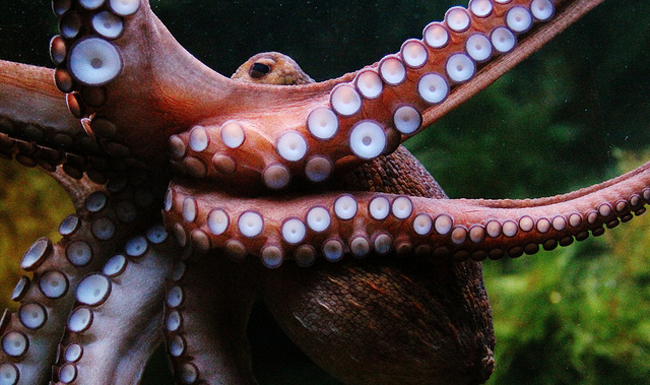
As Ocean Temperatures Rise, So Have Squid & Octopus Numbers
The number of cephalopods—octopus, cuttlefish and squid—has increased in the world’s oceans over the past 60 years, possibly due to their ability to adapt to changes in the environment.

Brain ‘Conductor’ Keeps Time in Memory Orchestra
In mice, memories became useless and jumbled when a region of the brain called CA3 was shut down.


