


IN THE LAB
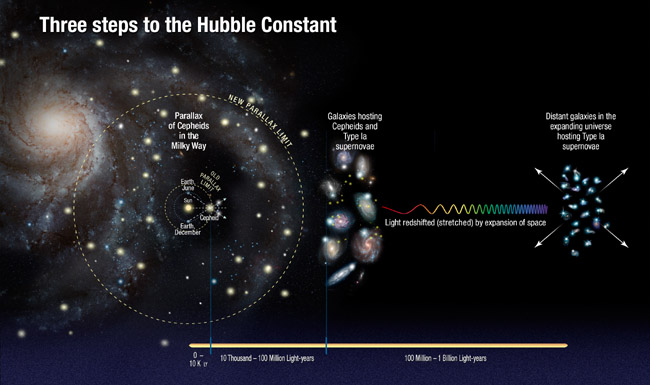
The Universe Just Got Larger
The Universe is currently expanding between five percent and nine percent faster than early in its life.

Pandas Can’t Take The Heat
Climate change is not just a threat to the giant panda’s supply of bamboo—it also makes them vulnerable to heat stress.

It’s A Young World After All… It’s A Young, Young World
By simulating the Earth's core conditions, researchers have shown that the core could be younger than 0.7 billion years old.

The Long & Short Of How Chickens Get Their Beards
Forget why the chicken crossed the road. Instead, how did the chicken get its beard?
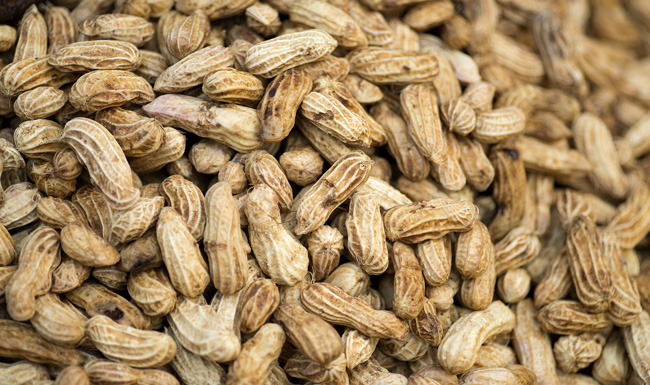
Peanut Genome Insights May Help Design Hypoallergenic Peanuts
These findings may not only help to prevent allergic reactions, but also boost peanut crop productivity and nutritional value.

Vibrating Male Fiddler Crabs Shake It Up For Love
To lure females into their burrows, male fiddler crabs produce vibrations that indicate their suitability as a mate.
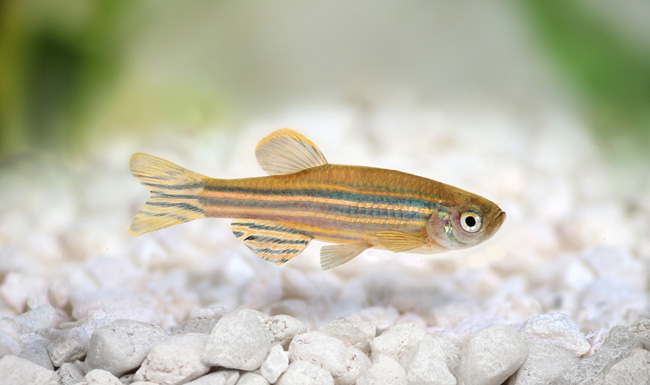
The Way To A Zebrafish’s Heart Is Through Its Nose
As part of their courtship and mating rituals, female zebrafish release a pheromone that activates the males’ brains through their smell receptors.

Supermassive Black Hole Winds Turn Up The Heat, Stopping Star Formation
Stars form when gases cool and collapse, but supermassive black holes release winds that heat up the gases in their host galaxy, preventing this from happening.

Stars That Live Fast & Die Young
Researchers have found that some stars in a nearby globular cluster are dying prematurely as they skip the Red Giant phase in their growth.


