


IN THE LAB
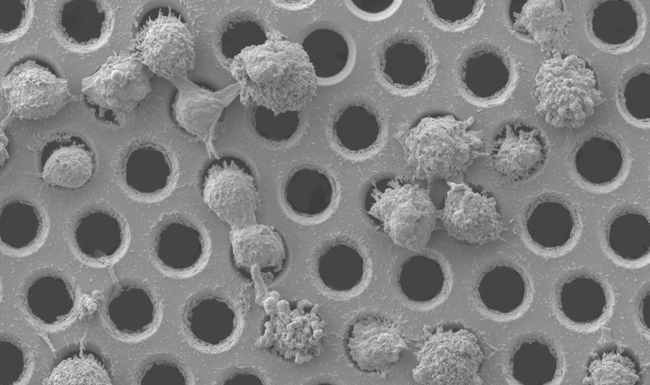
Circulating Cells In Cancer Patients’ Blood Not Always Cancerous
Contrary to the decades-long belief that these cells are always malignant, researchers have found that they may also come from the blood vessels that line the tumor, rather than from the tumor itself.

Fossilized Fireplace Holds Clues To ‘Hobbit’ Extinction
An ancient fireplace found in Liang Bua in Indonesia sheds new light on the demise of Homo floresiensis, the diminutive cousins of modern humans.

Singapore Expedition To Study 2012 Great Earthquake
The month-long voyage seeks to investigate the cause of the largest intraplate earthquake ever recorded in an ocean.

Gene Mutation Could Ruin Japanese Sake
The mutation affects how brewing yeast grows and divides, posing a threat to the brewing of this delicious rice wine.
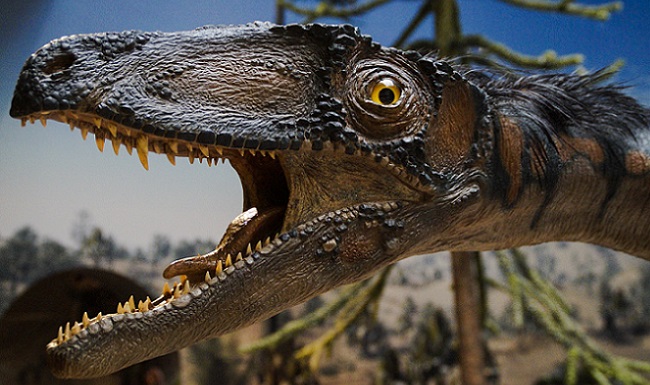
Mammal Diversity Exploded Only After Dinosaurs Went Extinct
Early mammals only began diversifying after the extinction of dinosaurs about 66 million years ago, a new study finds.
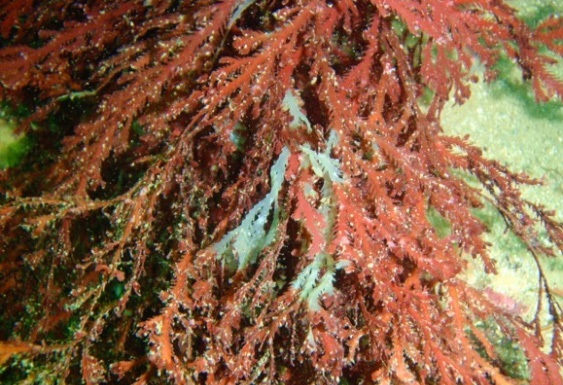
Just Like Us, Seaweeds Get Sick When Stressed
At high water temperatures, seaweeds become susceptible to a bleaching disease by a variety of normally harmless bacteria.

How To Mount A STING Operation Against Pathogens
Researchers have shed light on how STING, an innate immune sensor that triggers inflammation, is activated to eliminate viruses or bacteria.
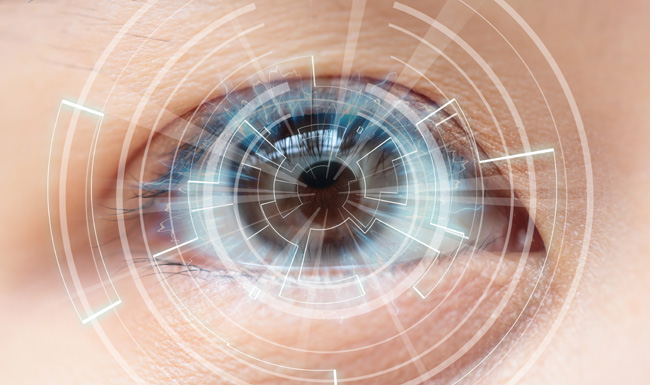
Researchers Develop 2D ‘Eye’ From Induced Pluripotent Stem Cells
Scientists have mimicked the development of a whole human eye in a 2D lab culture, paving the way for futuristic cornea reconstruction techniques.
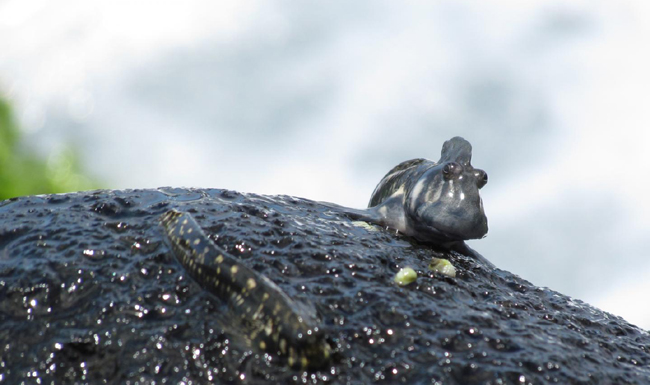
Fish Out Of Water Are More Common Than You Think
Fish evolved the ability to live on land many times, according to a study that challenges the perception that this extreme lifestyle shift was likely to have been a rare occurrence.


