


IN THE LAB

Japanese Tadpoles Enjoy Hot Springs, Just Like Us
Researchers have found Japanese tadpoles living in hot springs, or onsens, where water temperatures can reach as high as 46.1 °C.

The Secret To Increasing Solar Cell Efficiency Is In The Air
Perovskite solar cells increase in efficiency when exposed to moisture in ambient air for a few hours, a study finds.

Students Discover Gravitational Lens Dubbed ‘Eye Of Horus’
Students and astronomers at a Subaru Telescope workshop made the discovery by accident while analyzing some data.
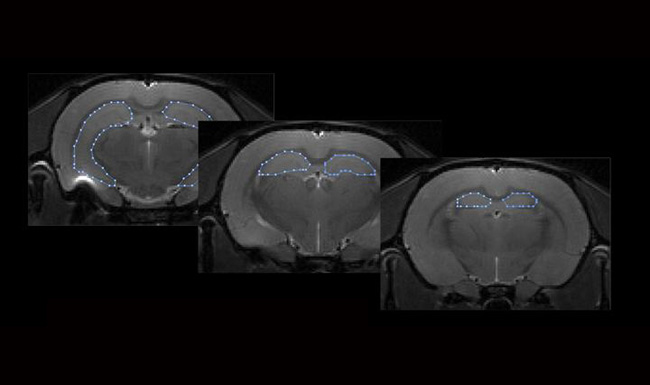
Even A Brief Period Of Stress Could Affect Memory: Study
Aside from memory loss, the hippocampus or 'memory center' in the brains of rats shrank after just three days of chronic stress.

Toothy Insights Into Ancient Elephants’ Changing Diets
Researchers analyzed the wear and tear on fossilized elephant teeth to unearth the diets of these prehistoric animals.

Scientists Grow Tissues Resembling Human Mid-Brains
Grown from stem cells in the laboratory, these mid-brain structures could one day be used to test drugs for aging-related brain disorders.

Two Ant Species Named After Game of Thrones Dragons (VIDEO)
Brace yourself, dragon ants are coming! Researchers have discovered ant species with dragon-like spines reminiscent of the mythical beasts in Game of Thrones.

Scientists Find Clues To How We Taste Food
A study in Japan gives new insights into how structural changes in taste receptors contribute to how we perceive food.
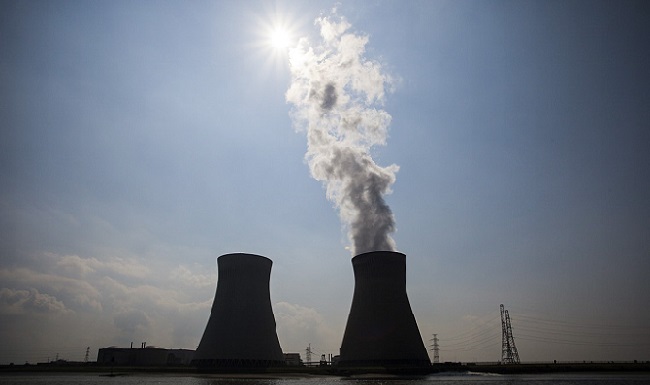
‘Smashing’ Radioactive Particles Can Help Clear Nuclear Waste
Scientists in Japan may have found a way to manage nuclear waste more easily, by converting two major radioactive isotopes found in nuclear waste into more easily managed isotopes.


