


IN THE LAB
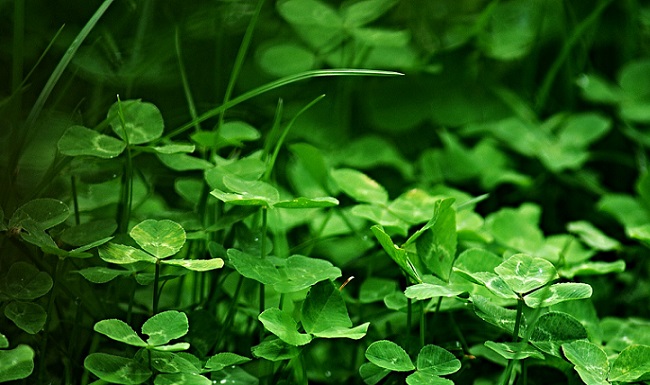
Lucky Them! Scientists Sequence The Clover Genome
Australian scientists have decoded the genome of the subterranean clover, which is the most important annual pasture legume in Australia.
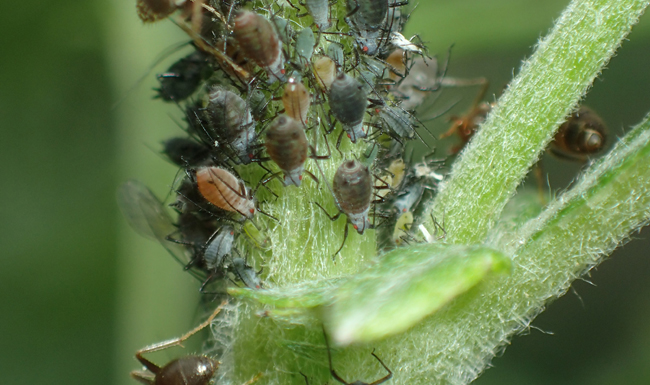
Ants Could Be Influencing The Colors Of Their Aphid Allies
The differences in coloring within an aphid colony may depend upon aphids’ interactions with their ant allies rather than with their predators, according to researchers.
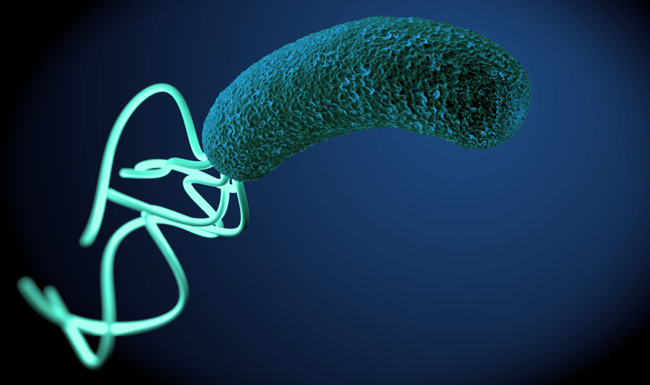
To Battle Bacterial Infections, Stop Their ‘Propellers’ From Forming
Artificially modifying the proteins responsible for the flagella 'tails' of bacteria, which helps them move around, could be a promising way to stave off infections without antibiotics.
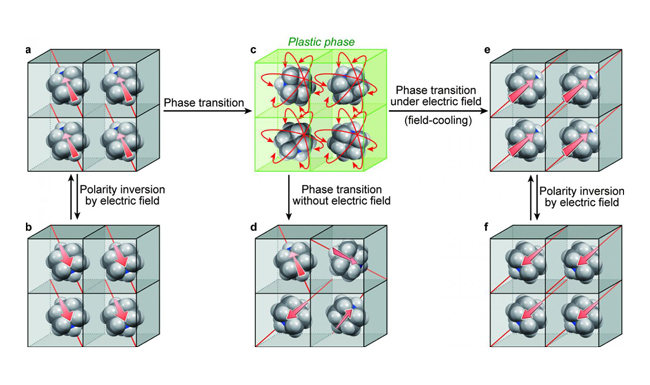
To Make This Crystal Turn ‘Plastic’, Just Apply Heat
Researchers have developed a ferroelectric crystal that turns into a plastic, more pliable phase at higher temperatures.
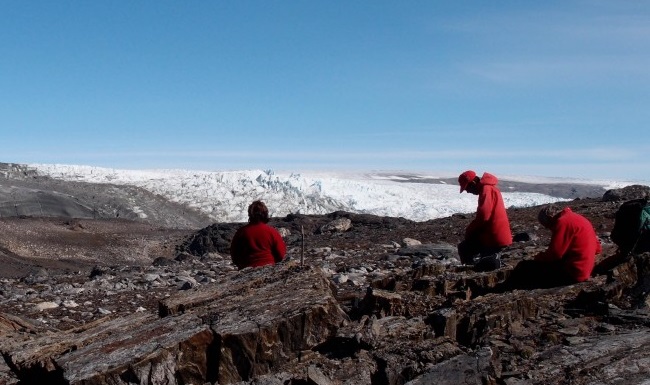
World’s Oldest Fossils Reveal Life On Earth As Early As 3.7 Billion Years Ago
The discovery of the world's oldest fossils reveals that diverse life forms thrived on Earth 3.7 billion years ago.

Hey, Diddle Diddle, More Cows Born Around The Full Moon?
There might be some truth to the popular belief that more births happen during a full moon—at least with cows.

Female Fiddler Crabs Want Safety Over Sex: Study
When female fiddler crabs leave males behind during mating season, they aren't just being picky—they are seeking shelter from predators, research shows.

Primate Stem Cells Show Superior Pluripotency To Mouse Stem Cells: Study
The study identified a gene set useful for predicting the properties of human and monkey pluripotent stem cells.
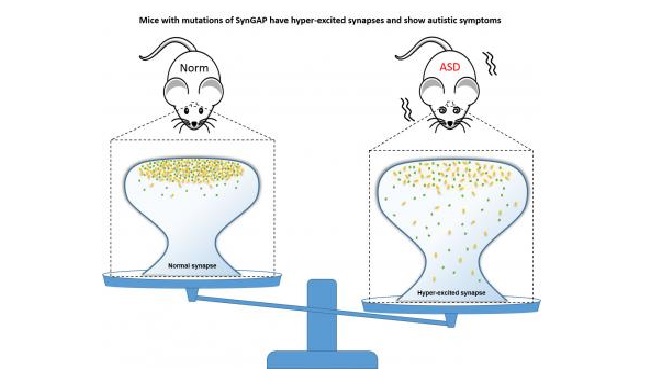
Solving The Autism Puzzle Through Postsynaptic Density
Irregularities to the protein-rich compartments in neurons may contribute to various brain disorders like autism and seizure, scientists say.


