


IN THE LAB

The Science Of Thick Skin
The thick skin on the soles of the feet and other parts of the body is maintained by high-frequency basal cell division, researchers have found.

Why East Asian Stomach Bugs Cause More Harm
The structure of the CagA protein could help scientists determine the degree of injury to the gastric mucous lining caused by Helicobacter pylori.

Studying Alzheimer’s With Mutant Worms
Researchers have developed a new worm strain as a model to study the progression of Alzheimer’s disease, particularly in the early stages.

Pickled Dino Brain Masqueraded As A Pebble
The fossil is most likely from a species similar to Iguanodon, a large herbivorous dinosaur that lived about 133 million years ago.

MapZ Is The Bacteria’s ‘Rudder’
In single cell experiments, the protein MapZ has been shown to control the rotation of bacteria in response to chemical gradients.

New Alzheimer’s Target Identified
Researchers in Hong Kong have discovered a crucial part of the genetic machinery that ‘switches’ on the Neuroglobin gene.
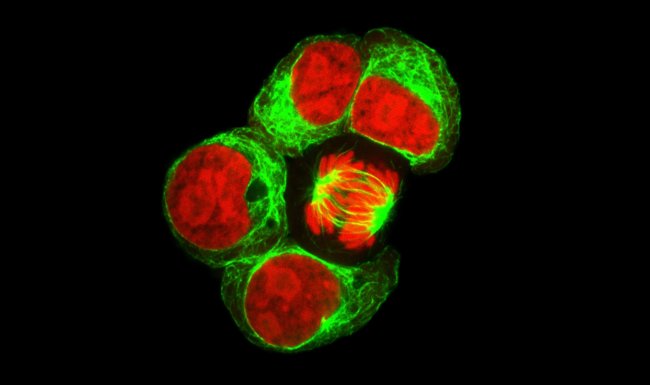
Snap Go The Spindles
Drugs which snap the spindles of diving cells could also be effective anti-cancer compounds, researchers say.
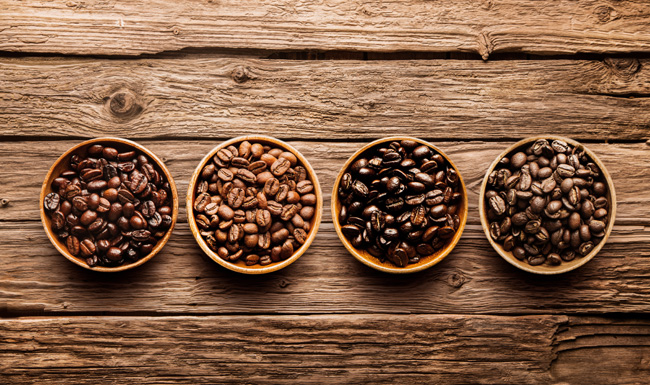
Coffee Production In Nepal Could Decline By 72% By 2050
No, not the coffee! Nepal’s coffee-growing areas are expected to shrink due to climate change—but banana cultivation could flourish.

Achoo! Cold Medicine Could Help Slow Bladder Cancer In Mice
Flufenamic acid, currently used for treating colds, has been found to suppress the spread of bladder cancers and reduce chemoresistance in mice.


