


IN THE LAB

Ancient Post-Apocalyptic World Ruled By Sponges
After extreme climate change wiped out 85 percent of all species, sponges took over and thrived.

Tree Rings Reveal Unusual Solar Activity
Radioactive carbon trapped in tree rings has helped scientists pinpoint exactly when abnormal solar events occurred.

Waterways Are Extensively Polluted With Antibiotic-Resistant Bugs
Thanks to human activity, antibiotic resistant genes are now widespread in estuarine areas.

Breaching The Brain To Treat Septic Shock
A neuropeptide called orexin has been shown to prevent mice from dying from septic shock.

Lights, Carbon Nitride, Bone Regeneration!
Growing stem cells on carbon nitride sheets not only activates bone-related genes, but also releases calcium ions when exposed to red light.

Promiscuous Lamprey Engage In Sham Mating
Female lamprey can selectively release their eggs to the best mate during sham mating, researchers say.
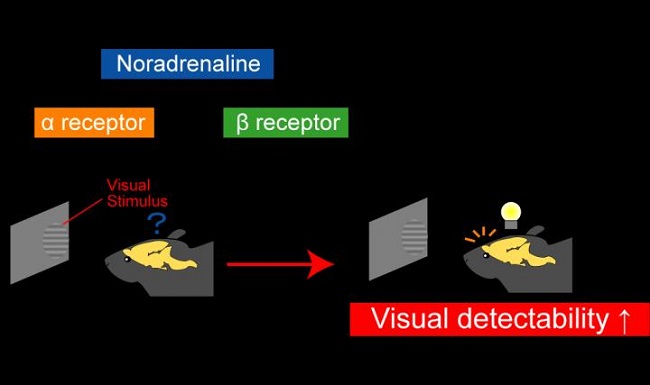
Noradrenaline Improves Vision In Rats
Noradrenaline, a hormone and a neurotransmitter, could improve vision by targeting a very small subgroup of neurons or neural circuits in the brain.
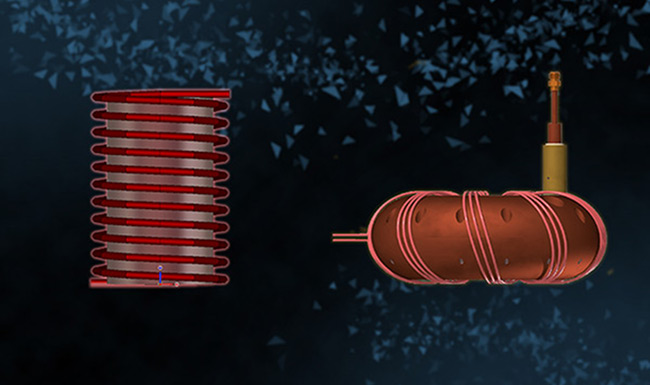
Searching For Dark Matter With A Donut-Shaped Magnet
Scientists say that donut-shaped magnets can also look for axions, one of the particle candidates for the mysterious dark matter.

Fluctuating Sea Levels Threaten Southeast Asia’s Coastal Dwellers
Sea levels rose and fell two feet around 6,000 years ago in Southeast Asia, even without human-induced climate change.


