


IN THE LAB

How Moderate Stress Could Prevent Parkinson’s Disease
Researchers have identified a drug candidate that can prevent the death of dopaminergic neurons, a hallmark of Parkinson’s disease.

A Substance That Stops Narcoleptic Mice From Falling Asleep
Scientists are working on a drug based on a compound named YNT-185 that would keep narcolepsy and other sleep disorders at bay.

The Diamond Standard Of True Randomness
Scientists have shown that shining light through a diamond can generate intrinsically random single-photon emissions.
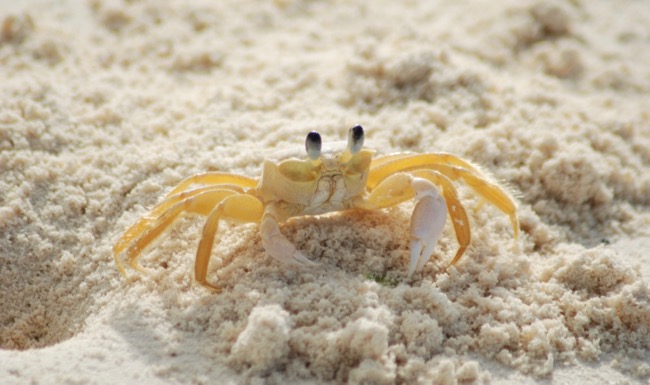
A Crabby Solution To Malaria
A mixture of silver nanoparticles and chitin from the shells of crabs can inhibit the growth of malaria-carrying mosquito larvae, study shows.

Squid Say It With Skin
The artistic oval squid uses its changing skin pattern to communicate with both lovers and competitors in the fight for mating rights.

Deleting Enzymes Takes The Edge Off Septic Shock
Inhibiting IPMK enzymes could help dampen the overexuberant immune response during sepsis, a leading cause of death from infections.

Newly Discovered Dinosaur Species Puts Spotlight On The Evolution Of Flight
The newly discovered dinosaur species from China had asymmetrical feathers that resemble those of modern-day flying birds.

Tears Can Tell If You Have Gout
Researchers in South Korea have developed a non-invasive technique that could help diagnose gout using the molecules of a teardrop.

How Life (Barely) Survived The Great Extinction
The survival of a transient community of microbes and sea urchins that lived over 250 million years ago suggests how life might respond to a warmer climate today.


