


IN THE LAB
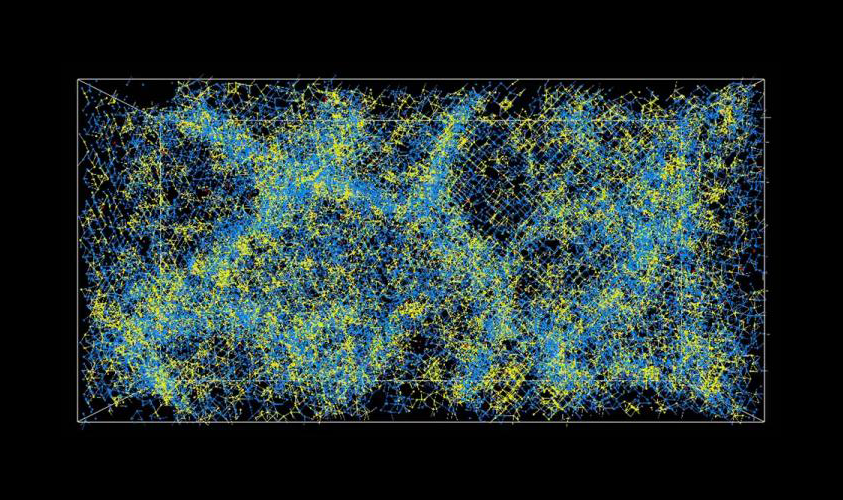
Supercomputers Used To Simulate Fusion Reactor Materials
Supercomputers have helped researchers realistically model what happens to tungsten when it comes into contact with impurities during nuclear fusion reactions.

How The Liver Gets Rid Of Excess Bile
Using a cell culture system that mimics the structure of actual livers, scientists now understand how excess bile is removed from blocked ducts in the liver.
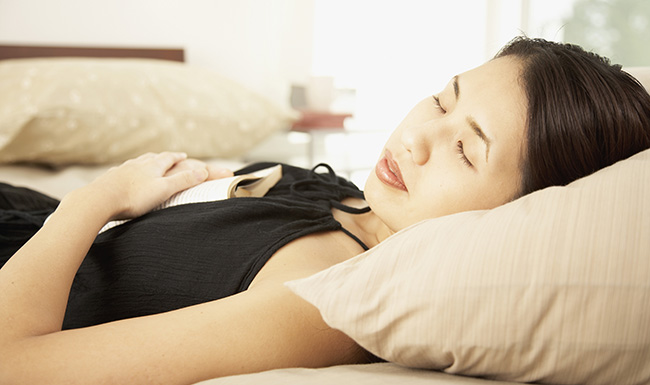
The Neural Link Between Anxiety And Sleep
Activating neurons in a region of the brain linked to fear and anxiety can cause mice to wake up from non-rapid eye movement sleep.
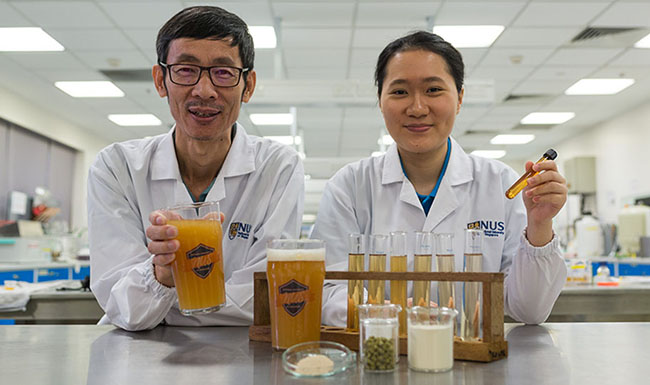
Bacteria In Your Beer For A Happy Belly
Researchers in Singapore have patented a recipe for probiotic beer that not only tastes good but is also is good for gut health.

Amino Acid Boosts The Effectiveness Of Brain Cancer Therapy
By adding the highly abundant amino acid taurine to a photosensitizer, researchers have boosted its cancer-killing capabilities.

Mammals Use RNA Interference Too
Like plants and invertebrates, mammalian cells also use RNA interference to protect themselves against viral infections.

Serotonin Makes ‘Autistic’ Mice More Sociable
Serotonin, the ‘feel-good neurotransmitter’, has been shown to improve sociability in a mouse model of autism.

How Uterine Fluid Informs The Fetus
Uterine fluid, which contains molecules that can reprogram a developing embryo, could one day be used as a biomarker of fetal health.

3D Bone-Like Tissues Grown From Stem Cells
Researchers have generated 3D bone-like tissue using pluripotent stem cells, demonstrating the potential of regenerative medicine.


