


IN THE LAB

How Materials Fracture At The Atomic Level
By observing the movement of atoms in a material's surface, researchers now understand how materials fracture under stress.

Artificial Cells Toughened Up With DNA
Using DNA as an artificial cytoskeleton, scientists in Japan have made liposomes stronger and more stable.

How Worms Hijack Stem Cells To Create Their Nests
Root-knot nematodes can manipulate the stem cells of plant roots to form their nests, study says.

How Orangutans Cope With Fragmented Forests
Bornean orangutans in human-disturbed forests search for areas with denser and taller trees, making such patches of forest crucial for conservation.

Could The Cosmos Be A Collider?
The cosmos and elementary particles—the largest and smallest objects studied by physicists—are intricately linked.

Nanoparticles Seal Wounds And Show Up In Scans
Scientists have developed a surgical glue that is both adherent and visible in ultrasound and other common imaging techniques.

Quenching Inflammation For Faster Wound Repair
A common anti-inflammatory drug could help to improve the ability of stem cells to heal chronic wounds, researchers say.
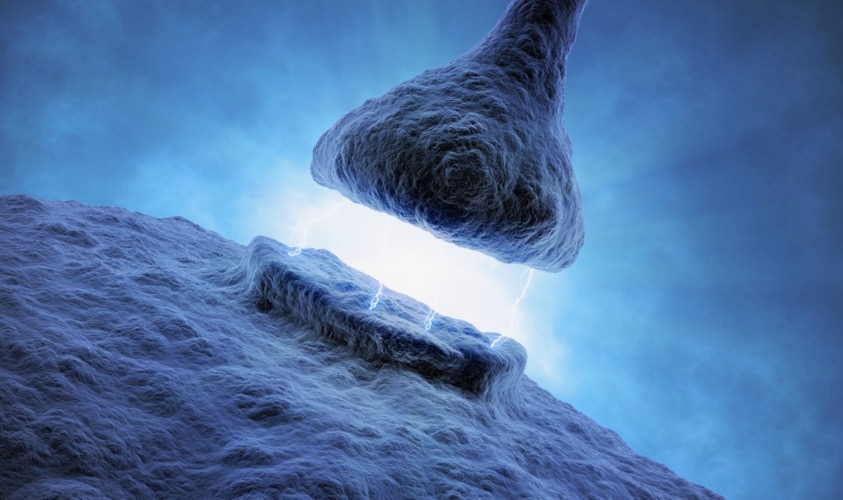
Gene Therapy Targeting Neuromuscular Junctions Could Alleviate ALS
Using gene therapy, scientists in Japan have slowed muscle degeneration and prolonged life in a mouse model of amyotrophic lateral sclerosis.

Scientists Obtain The Most Accurate Measurements Of Proton Mass To Date
Precise measurements of the mass of a proton find it to be three standard deviations lower than previous estimates.


