


IN THE LAB

Repurposing Brain Imaging To Detect Kidney Disease
Scientists have used brain imaging techniques to replace invasive biopsies in diagnosing kidney diseases.

Why Massive Galaxies Don’t Dance In Crowds
Contrary to previous research, the spin rate of galaxies is actually determined by mass instead of their interactions with neighboring galaxies.

A Slippery Solution To A Sticky Problem
By infusing porous surfaces with slippery liquids, researchers have developed a way to prevent mussel adhesion, a key contributor to marine biofouling of ship hulls.

Selenium Makes Insulin Last Longer
By replacing sulfur with selenium, scientists have developed a long-lasting synthetic insulin analog that could be used for treating diabetes.

Chimps Can Play Rock-Paper-Scissors
Using the rock-paper-scissors game, scientists in Japan and China have shown that chimpanzees can learn simple circular relationships.
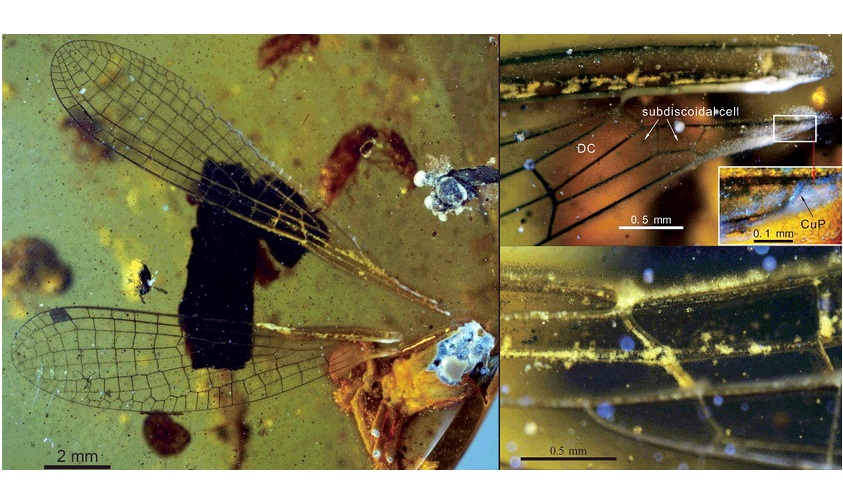
Ancient Damselfly Trapped In Amber Named After Sir David Attenborough
A new species of damselfly was named after Sir David Attenborough, adding to the long list of animals bearing the name of famous naturalist.

Autophagy Linked To Morphine Addiction
By studying mice that were repeatedly administered with morphine, scientists in China have identified autophagy pathways in neurons as crucial mediators of drug addiction.

How Good Gut Bacteria Break Down Sugar
Scientists have identified a unique metal ion-containing domain within the three-dimensional structure of an enzyme that gut bacteria use to break down sugars.

Stopping Bacteria By Their Tails
Disrupting biological nanomachines like the flagella of bacteria could be one effective way to prevent infectious diseases, scientists say.


