


IN THE LAB

Chimps Can Play Rock-Paper-Scissors
Using the rock-paper-scissors game, scientists in Japan and China have shown that chimpanzees can learn simple circular relationships.
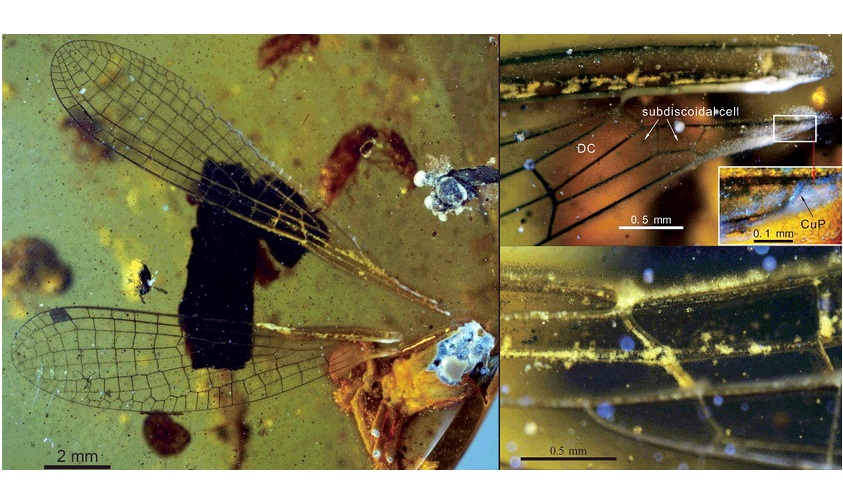
Ancient Damselfly Trapped In Amber Named After Sir David Attenborough
A new species of damselfly was named after Sir David Attenborough, adding to the long list of animals bearing the name of famous naturalist.

Autophagy Linked To Morphine Addiction
By studying mice that were repeatedly administered with morphine, scientists in China have identified autophagy pathways in neurons as crucial mediators of drug addiction.

How Good Gut Bacteria Break Down Sugar
Scientists have identified a unique metal ion-containing domain within the three-dimensional structure of an enzyme that gut bacteria use to break down sugars.

Stopping Bacteria By Their Tails
Disrupting biological nanomachines like the flagella of bacteria could be one effective way to prevent infectious diseases, scientists say.

Treating Nerve Damage Caused By Neurotoxins
Scientists in China have identified two drugs that reduce the impact of nerve damage caused by insecticides and chemical weapons.
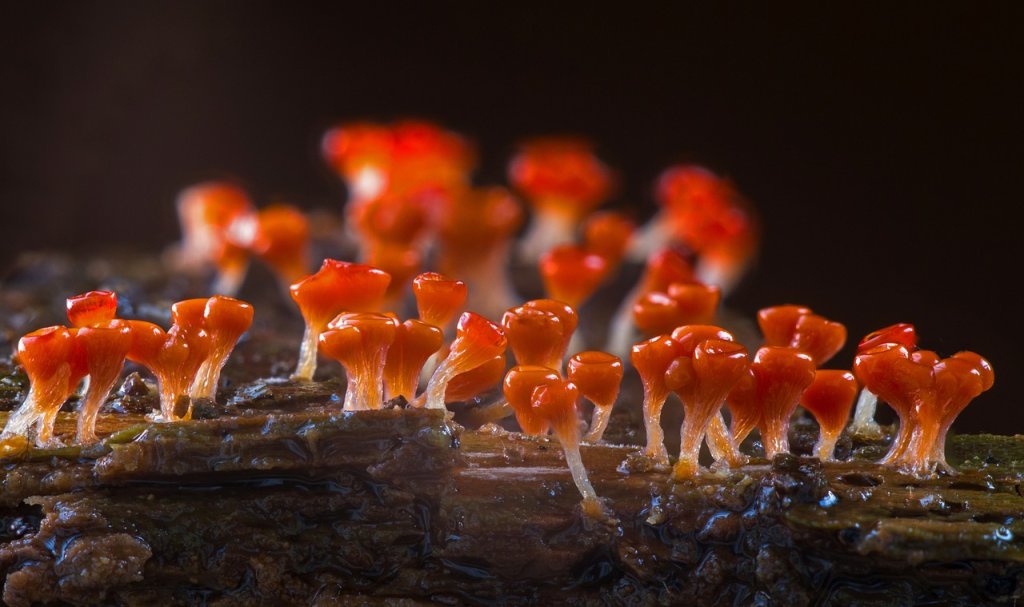
Social Amoeba Calculate To Communicate
Slime mold can ‘calculate’ the fold-change of signaling molecules, an ability that helps it behave like a multicellular organism.

Gene Controls Whether Liver Cells Double Or Die
A molecule called YAP regulates the size of the liver by determining whether liver cells proliferate or die in response to damage.

Cockroaches Help Disperse Plant Seeds
By observing the feeding and defecation habits of forest cockroaches, scientists in Japan have found that cockroaches play an important role in seed dispersal.


