


IN THE LAB

A Hydrogel That Says NO To Arthritis
Scientists have developed a hydrogel that could be used to absorb extra fluids in swelling joints and release drugs to treat arthritis.
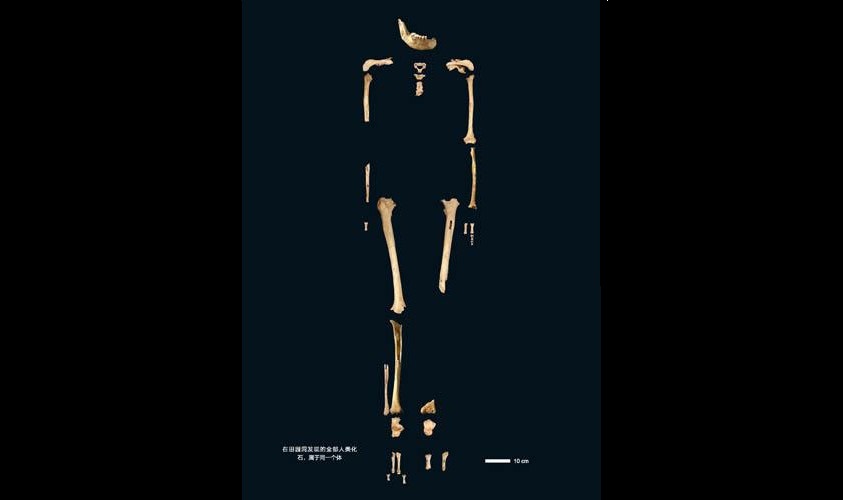
40,000-Year-Old Genome Reveals Patterns Of Early Human Migration
Genome-wide data from a 40,000-year-old man in China has revealed the complicated genetic history of Asia.

RAGE Is Responsible For Absorbing Oxytocin In Breastmilk
Scientists have solved the mystery of how oxytocin in breastmilk crosses the gut to reach the bloodstream of baby mice.

What Photosynthesis Looks Like From Space
Scientists have utilized satellite imagery to quantify plant metabolism.

Generating Hydrogen Fuel From Water And Sunlight
Researchers have developed a hydrogen catalyst based on carbon nitride and black phosphorus instead of expensive precious metals.
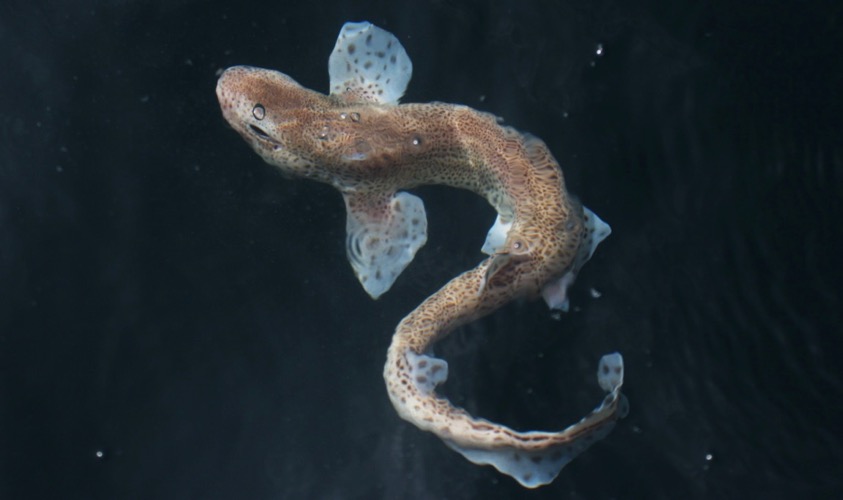
Sharks Form Fins Like Other Vertebrates Do
By studying the catshark embryo, scientists in Japan showed that cartilaginous fish develop limbs and muscles in the same way as bony fish and land vertebrates.

How Flaws Create The Perfect Fish Eye
Using mathematical modeling, scientists in Japan have revealed how light-sensing cone cells in the fish eye eventually adopt a specific pattern.

Mixing It Up For A Longer-Lasting Glow
In an illuminating study, scientists in Japan have developed organic materials that retain their glow over extended periods of time.
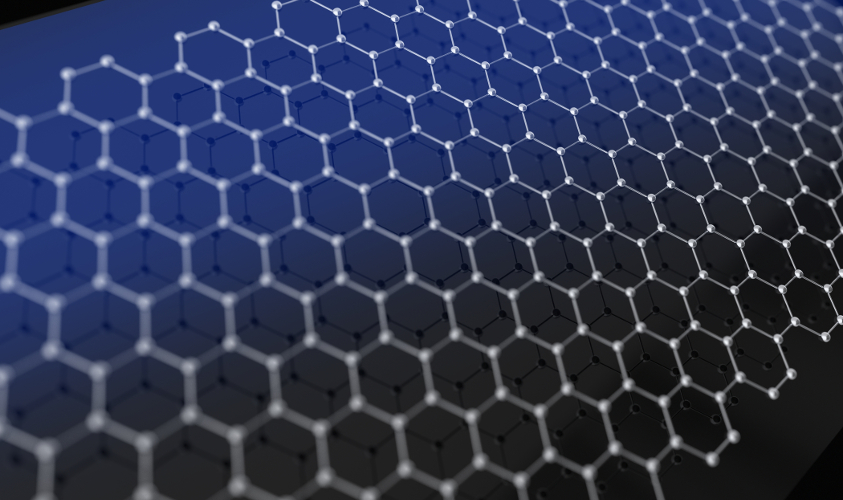
Simply Turn Up The Heat To Raise The Pressure
Scientists in Japan have discovered that simply heating graphene oxide nanosheets can generate high amounts of pressure with very little effort.


