


Singapore Management University

ABOUT
A premier university in Asia, the Singapore Management University is internationally recognized for its world-class research and distinguished teaching. Established in 2000, SMU’s mission is to generate leading-edge research with global impact and produce broad-based, creative and entrepreneurial leaders for the knowledge-based economy.
Stories by Singapore Management University

School’s In–With Machines As Students
Learning is something that humans do naturally. Machines, on the other hand, could use some help from Associate Professor Steven Hoi of the SMU School of Information Systems.
Uncovering The Contradictions Of Capitalism
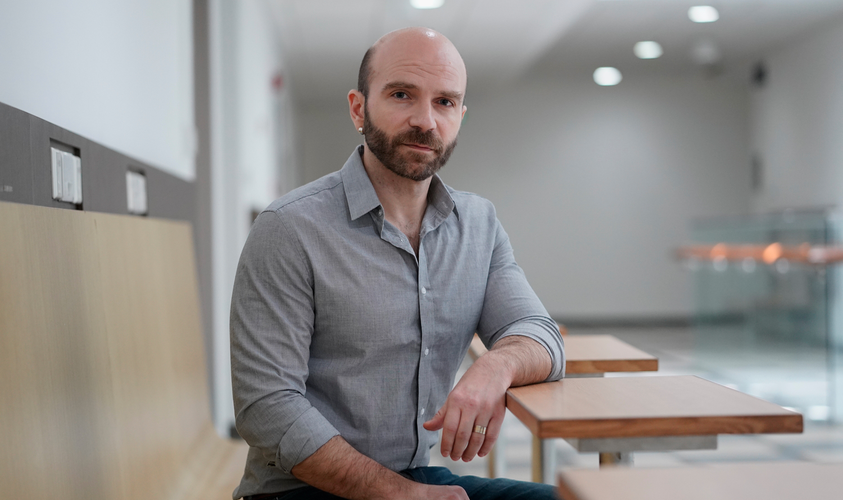
Capitalism is neither liberal nor authoritarian but a contradictory unity of both, says SMU Assistant Professor Ulas Ince.

When Beliefs Cross Borders
The international movement of religions and people impacts identities, communities and societal integration, said speakers at the East Asian Society for the Scientific Study of Religion’s inaugural conference.
A Search For The Invisible East
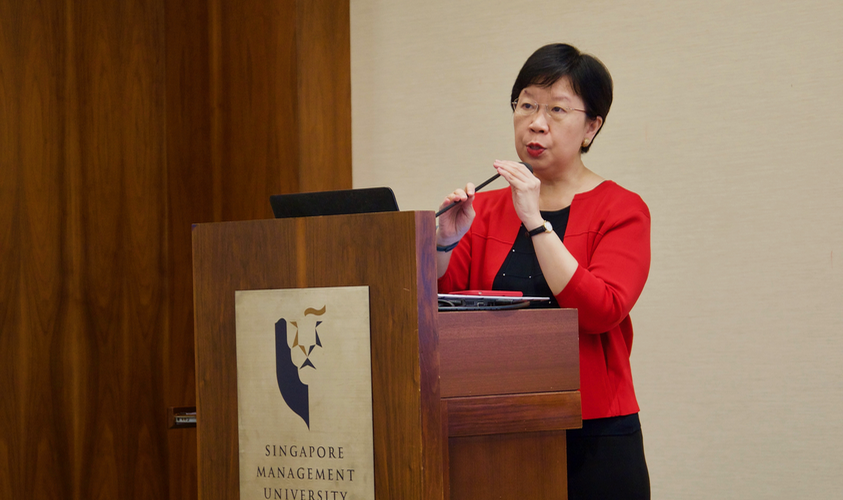
The unique nature and complexity of East Asia’s religions merits the adoption of a new concept—the Global East, said scholars at the inaugural East Asian Society for the Scientific Study of Religion conference.

The Black Box Of Technology
SMU Assistant Professor Juliana Yu Sun is using economic models to demystify the relationship between technology and economic growth.

Calling All Connections: What Social Networks Can Teach Us About Society
The multidisciplinary field of social networks research can shed light on diverse aspects of society, said speakers at SMU LARC’s Social Networks Day Workshop.
On The Trail Of Identity Politics
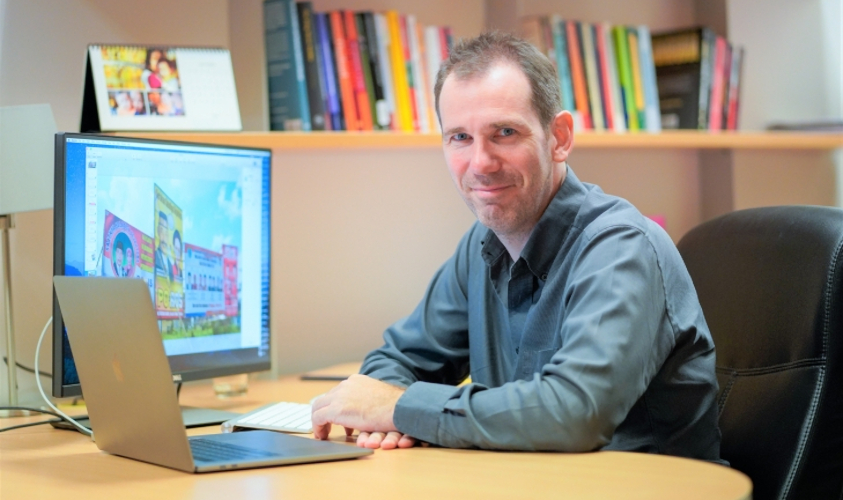
There is no better place to study identity politics than Southeast Asia, a hotbed of political, ethnic and religious diversity, says SMU Assistant Professor Colm Fox.

Health And Wealth: A Shock To The System
Health shocks can negatively impact the long-term wealth of Singapore’s elderly, according to data from a monthly survey conducted by SMU’s Centre for Research on the Economics of Ageing (CREA).

When The Public Gets Personal
Crisis communication could be improved if practitioners learn to recognise the underlying emotions behind the public’s response, says SMU Professor Augustine Pang.